Author name: Jack Sullivan

Otto Karstendiek: His Tale from the Tomb
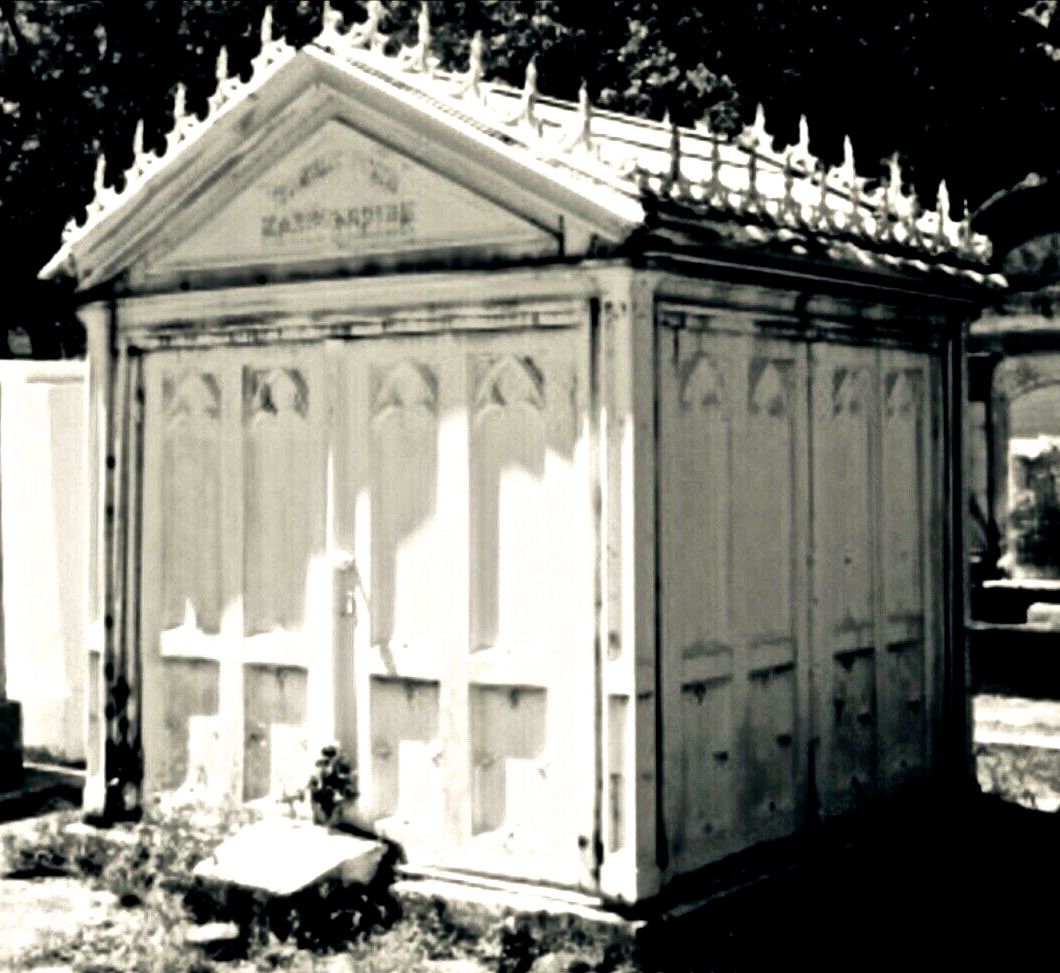
 Fans of the movie version of Anne Rice’s “Interview with the Vampire” will recognize at right the New Orleans above-ground tomb of her blood-sucking hero, Lestat.  When visiting Lafayette Cemetery #1, tourists often seek out the cast-iron crypt and wonder who actually is interred there.  It is Otto Henry Karstendieck, a liquor dealer whose life, like Lestat’s, contained more than sufficient horror, death and deception to make his tale worth telling.  Otto’s story, in contrast to Rice’s, is non-fiction.

Otto was born on April 21, 1823, in Bremen, Germany, the son of Heinrich and Anna Metta Karstendiek.  Of his early life and education the record is blank, as well as is the exact date of his coming to America, apparently around 1850.   What propelled him to New Orleans similarly is obscure.  The first public record I can find is 1856 when he was 33 years old and New Orleans was a booming city, shown below.  In May of that year Otto married Delia Cecelia Salomon, whose claim to fame was being the sister of the first “Rex” of the Mardi Gras parade. Over the next eight years the couple would have five children, two daughters and three sons.

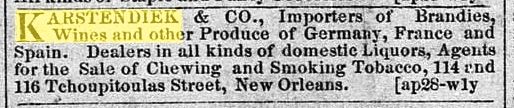

Meanwhile Otto was demonstrating his abilities as a liquor and wine dealer, claiming his liquor house origin as 1850.  From his Tchoupoulas Street headquarters in uptown New Orleans close to the Mississippi River, as early as 1853 he was advertising in a wide area beyond Louisiana.  A Galveston newspaper ad declared Karstendiek & Company an importer of European brandies and wines as well as “Dealers in all kinds of domestic liquors….”  By the end of the decade Otto was doing business from two warehouses, each four stories high, a block long and filled with liquor.
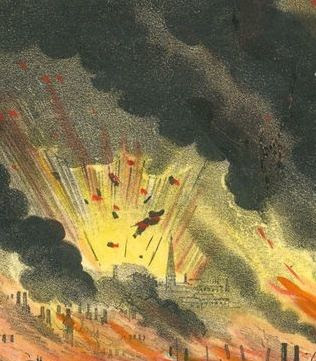

On Saturday, October 13, 1860, tragedy struck.  About 8 p.m. a large fire of undetermined origin broke out in one Karstendiek warehouse.  Soon the structure was engulfed in flames from the ground floor to the roof, imperiling the second warehouse.  When the fire reached the top floor where considerable liquor was stored, a tremendous explosion occurred, destroying both warehouses and spreading the fire to adjoining structures. 


The New Orleans Picayune reported:  “No battlefield, no steamboat explosion could  exceed the horror of the scene.  There under the enormous mass of smoking ruins, thirty or forty men lay buried.”  Chief among them were members of New Orleans volunteer fire companies that had responded to the alarm and were pour water on the first warehouse.  The paper listed names and units of men pulled dead, dying or injured in the explosion.  Among those who barely escaped was the New Orleans chief of police.  Rescue efforts were hampered by the intense heat of the fire.  “Many, many more remained buried under the ruins,as we left the scene.  Two had been heard to speak, but could not be reached and, horrible to relate, they stated that the fire was burning the timbers underneath, and gaining upon them,” the newspaper reported.


Otto does not seem to have been on the premises when the fire occurred.  While he sustained the loss of his buildings and some stock, quantities of the whiskey he was storing reputedly were owned by second parties.  Although I can find no information on the total death count or monetary loss the latter would be the equivalent today of millions.


It is likely that among the dead and injured were Karstendiek & Co. employeeswhose deaths Otto would have mourned as he attempted to collect on his insurance and rebuild his business at a new location on Tchoupoulas Street.   He continued to advertise widely as:  “Dealers in Old Bourbon, Rye. Monogahela. Tennessee white, Roblnson county, White Wheat, and common whiskey.” 


The advent of the Civil War proved a boon to Otto.  Although initially revenues in the city fell with Union occupation, a “welfare state” was created by federal authorities to alleviate “the deplorable state of destitution and hunger of the mechanics and working classes of the city.”  It was paid for by a special tax on the wealthy and businesses. Revenues allowed the military government to employ 2,000 men daily to clean up the city.  The levy also generated relief payments to 11,000 families, most of whom were Irish and German. Moreover, Union forces in New Orleans and vicinity grew to 17,800.  The customer base for Otto’s liquor swelled.


The end of the Civil War brought a double setback.  After the birth of their fifth child, the health of Otto’s wife Delia declined and after just nine years of marriage in November 1865 she died at the age of 29.   Her husband was left with the sole care of five children, the oldest nine, the youngest a toddler.  Five years later Otto remarried.  His new spouse was Ella Lavernia Stoddard from Albany, New York.  They would have one son.


The second blow was the reduced revenues Otto was facing in New Orleans during Reconstruction.  Gone were the subsidies for workers and the payroll of a large standing army.  The customer base for Karstendiek & Company dwindled sharply.  Otto decided to “go to the dark side.”  He joined in what came to be known as “The Whiskey Ring,”  a massive scheme to cheat the federal government of millions of dollars in liquor revenues.  Hatched in 1871 by a top Grant Administration revenue official in St. Louis, the conspiracy had its tentacles in Chicago, Milwaukee, Cincinnati, and stretched south to New Orleans.


There President Grant had appointed his wife’s brother-in -law, Col. James B. Case, as collector of customs for the port.  Casey was quick to see the ease and financial possibilities of skimming off illicit cash from liquor taxes.  He recruited a handful of New Orleans distillers and liquor dealers to assist him in the scheme.  Among them was Otto Karstendiek.


In addition to selling whiskey and other alcoholic products at wholesale and retail, 

Otto was a “rectifier,”  that is, someone blending raw whiskeys on his premises in order to achieve a specific color, smoothness and taste.  Because the blending added value to the product, rectifiers were required to keep detailed records and were taxed on the amount of product blended.  By variety of mean, from corrupt federal “gaugers” who falsified production or the use of fraudulent revenue stamps, the U.S. Treasury was cheated out of millions.
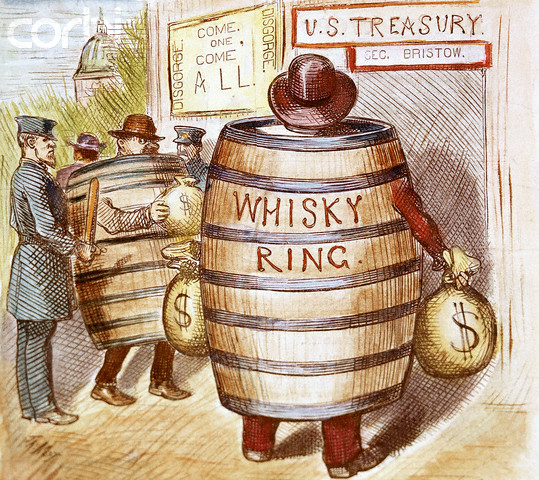

The Whiskey Ring came to abrupt halt on May 10, 1875, when U.S. Secretary of the Treasury Benjamin Bristow, working without the knowledge of President Grant, broke up the tightly connected and politically powerful cabal. He used secret agents from outside the Treasury Department to conduct a series of raids across the country on May 10, 1875.  Among those arrested was Otto Karstendiek.


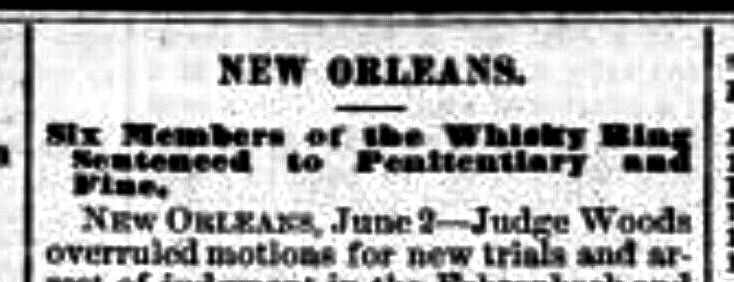
Otto and his co-conspirators did not come to trial until almost a full year after the raid.  In the interim the German whiskey man had suffered another heartbreaking loss.  Ella, his wife of just four years, died in September 1875, leaving him with a sixth motherless child.  At his trial in the U.S. Circuit for the District of Louisiana in May 1875,  Otto and five of his co-conspirators were found guilty and sentenced. James Casey was not among them.  The prisoners were fined from $1,000 to $6,000 and sentenced to prison variably from six to sixteen months.  Otto was assessed $1000 and maximum prison time.


All six were sent to the State Penitentiary at Moundsville, West Virginia, shown here, more than 1,000 miles from Otto’s New Orleans home. He must have been anguished at serving time so far from his children, now to be looked after by others.  Although his liquor house was shut briefly as the result of his folly, Otto still had resources.  While serving time at Moundsville, he hired a lawyer and thus was born a case before the U.S. Supreme Court at its 1876 October term, entitled “Ex Parte Karstendiek.”


His lawyer argued that the decision to send Otto and the others out of Louisiana was not authorized by law and should be voided.  The U.S. Solicitor General countered that when no suitable prison facilities could be found in the state where the felony occurred, the government was justified in sending prisoners elsewhere.  With Chief Justice Morrison Waite, right, writing the decision, the high court concluded that:  “So long as the State [West Virginia] permits him to remain in its prison as the prisoner of the United States, and does not object to his detention by its officers, he is rightfully detained on custody under a sentence lawfully passed.”  Otto spent his 16 months a long way from his family.


Judge Waite had not seen the last of Otto Karstendiek.  In 1877 the whiskey man, now free, was back before the Supreme Court.  This time he was objecting to the seizure of his liquor stocks and their forfeiture to the federal government. In a case entitled “United States v. Two Hundred Barrels of Whiskey,” Otto demanded that the liquor be returned to him.  His lawyer spun a convoluted argument about conflicting federal rules that required immediate release of the whiskey.  Once again Waite wrote the opinion.  Lower federal courts had upheld such forfeitures. The Supreme Court affirmed them.  Otto went home without his 200 barrels.
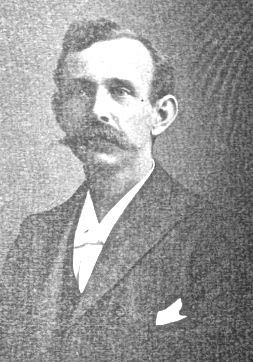

Unlike other liquor houses whose owners were implicated in the Whiskey Ring, Otto’s business did not disappear.  While his father was incarcerated, his eldest son, Henry S. Karstendiek, shown here, took over running what remained of his father’s business.  The name was changed to “O.H. Karstendiek Son Company.”   Otto’s brother John also began clerking in the establishment that remained on Tchoupoulas Street.  Henry, along with younger members of the family, continued living with their disgraced father. The last directory entry for the Karstendiek liquor house was 1879.  In the 1880 census Otto gave his occupation as “grocer.” 


Otto died on April 21, 1883, quite unusually exactly 60 years to the day of his birth. His funeral was private, conducted at John’s home with only friends of the family invited to attend.  Then the deceased was taken to the site of the cast iron crypt in Lafayette Cemetery #1, said to have been brought from Germany by Otto after a visit to the Continent. 


One of only sixteen iron “houses of the dead,” in all New Orleans and a tourist attraction because of Anne Rice’s vampire novels, the structure in 2016 badly needed repairs estimated at from $50,000 to $70,000.  A fundraiser featured people in costumes and a visit by two of Otto’s descendants from Texas.   They told a reporter they had no idea who actually was buried inside and hoped the restoration would reveal some answers.  When the work began we can assume that, unlike Rice’s Lestat, Otto Karstendiek did not come walking out.


Notes:  This post was prompted from seeing a Karstendiek letterhead on a note written in German to the manager of the Menger Hotel in New Orleans not long after the Civil War. The oddness of the piece, on sale on eBay, caused me to do some research on Otto.  It led me to the tragic fire, the Whiskey Ring, and other events in this whiskey man’s life.  This story emerged.
Boston’s John Fennell: “Prohibition’s First Victim”

On May 29, 1919, seven months and and one day before the imposition of National Prohibition on America, the Boston Globe informed it readers:  “Prohibition claims its first victim in Boston today when John Fennell will lock up for all time his long famed wine shop.”  The newspaper quoted Fennell opining:   “Prohibition is coming and you can’t stop it.  It’s coming like a great wave headed for the bow of a ship and its going to break soon.  But it’s going to miss me.”   Was there something untold behind Fennell’s bravado?  The Globe hinted as much.


If Fennell was telling the truth, he was considerably more prescient than most of his fellow whiskey dealers around the country.  In most locales going dry, the liquor houses and saloons hung on until the clock chimed midnight on their trade.  Some had “fire sales” at the end, steeply discounting their bottles and jugs.  Others were left with large supplies of whiskey, always in danger of confiscation by authorities and destroyed.  Those stashes might be sent abroad, buried in the cellar or sold under the counter.  


Fennell by his forethought seemingly escaped those problematic consequences.But had he?  He boasted about register sales of $200,000 in the past several weeks, equivalent to $3.16 million in today’s dollar, saying: “Six weeks ago I said to myself l could never unload my stock by this time.  But here I am cleaned out.  Not a bottle in the shop.”    Yet the Globe reporter clearly had doubts.  He noted that some jugs, bottles and “ambrosial liquids” were still visible. “Are the bugs loading up?”  he speculated.  Was this claim just Irish “blarney”?


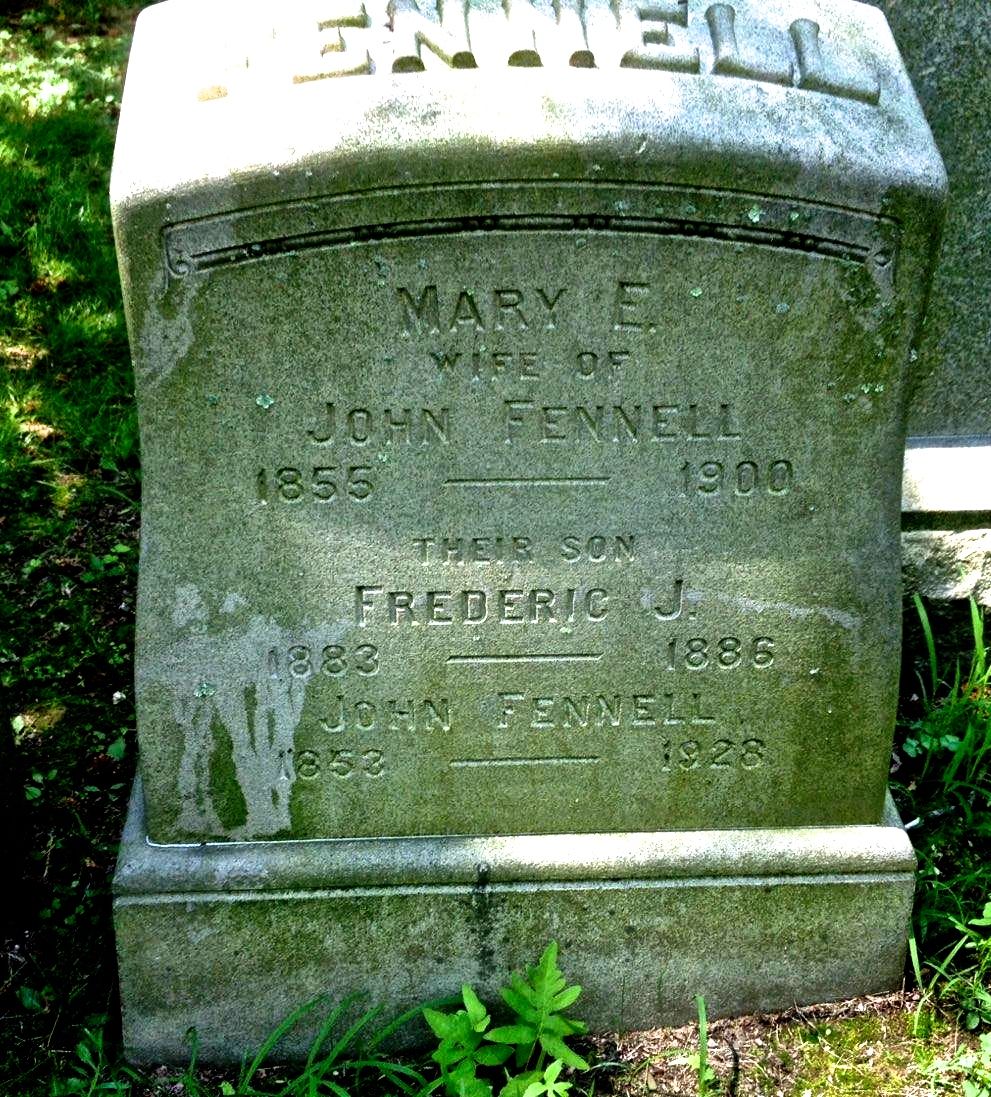
Fennell was born in Dublin, Ireland, in 1853, according to naturalization records, a date that is confirmed on his gravestone.  Arriving in North America in his 20s,  the immigrant’s initial destination appears to have been St. John’s, British Columbia. There he went to work for a wholesale liquor and beer dealer named Thomas Furlong, who also appears to have been his brother-in-law.  Fennell would work for Furlong for a dozen years learning the liquor trade in Canada.  Although I cannot find a photo, a passport described the Irishman standing 5 feet, 6.5 inches tall, with gray eyes, brown hair and tawny skin.


Established in business as early as 1862, Furlong appears to have run a successful enterprise.  His flagship brand was “Furlong’s Irish Malt Whiskey.”  He advertised it as “celebrated Dublin malt whiskey,” claiming that it rivaled the finest cognac brands:  “It has been stored five years in Sherry Casks, and is highly recommended for Medical and other purposes being mellowed with age, PERFECTLY PURE, and free from those heating qualities usually found in other whiskeys.”   Apparently this tipple was not meant for frigid Canadian nights.


Fennell’s familial relationship to Furlong may explain why the Canadian trusted to sent him in March 1879 to open a satellite store in Boston, 1,200 miles from St. John.  The Globe recorded his arrival with this notice:  “MR. THOMAS FURLONG,” the well known wine merchant of St. John, N. B., has opened a branch of his establishment at 161 Devonshire Street and 22 Arch Street, under the management of Mr. John Fennell, who has been with Mr. Furlong for twelve years, and in whom he reposes every confidence….Mr. Furlong has had experience of twenty-five years in the wine trade, and his selections can be relied upon as of the very best.”


Such a warm welcome from Boston’s currently oldest and largest newspaper loses some of its luster when it is understood that in its early years the Globe largely was controlled by Irish Catholic interests.  Moreover, Fennell reciprocated the favor two week later, and often thereafter, with Globe ads for Furlong’s Irish Malt and other alcoholic products.


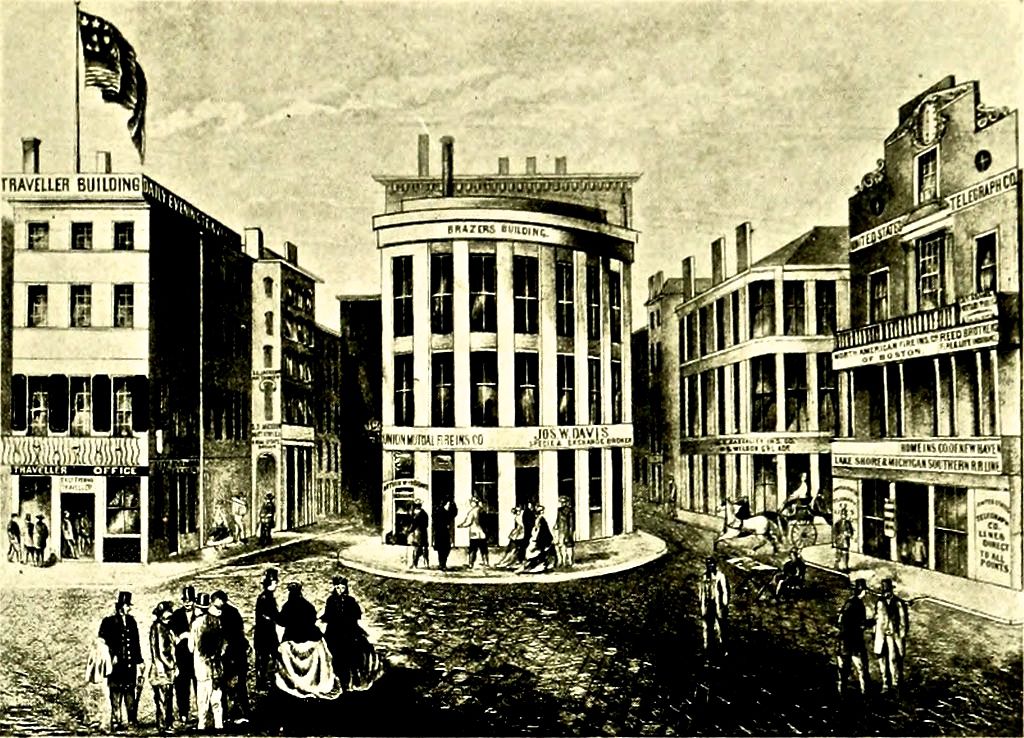
A quick reading of those ads might leave the impression that the liquor house had two stores.  Fennell listed two addresses, 177 Devonshire and 38 Arch Steet, that actually described one building.  The liquor store encompassed two rooms, one at ground level where sales took place and a cellar used to store liquor and beer with elevator access.  A drawing shows a busy mercantile area with businesses ranging from insurance agents to a telegraph company.  Although the street address changed slightly over time Fennell remained at that location for 33 years.


Upon first arriving in Boston Fennell, still a bachelor, found lodging in an Irish-run boarding house on Oak Street.  Two years later he reached back to British Columbia to find a bride.  She was Mary E. Quinn, at 25 three years younger than John.  She had been born in Canada of Irish immigrant parents.  John and Mary would have only one child, a son, Frederic J., who died at three years old,  a source of heartache in the couple’s lives.


Fennell showed a particular talent for advertising his products in Boston area publications.  Here is an example:  “PURE WHISKIES – that are stored in sherry wine casks have a mellowness not found in other whiskies, and being honestly aged are free from those heating qualities usually found in so called old goods. Buying all whiskies from the distillery direct, I can sell fine goods from $8 a dozen up to the celebrated O.F.R., costing $30, and ordinary and special, in wood from $8 to $10 per gallon.”    Fennell also boasted of his brandies “selected from the leading houses of Cognac” and of personally selecting fine wines during his visits to the wine-producing districts of Europe. He also advertised an imported English ale.


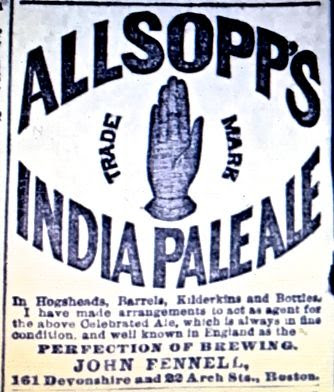
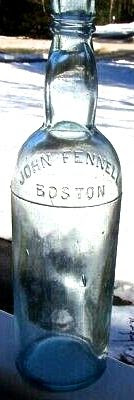
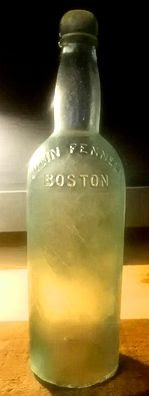
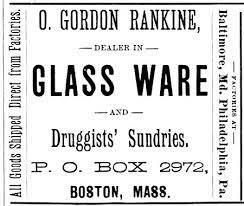
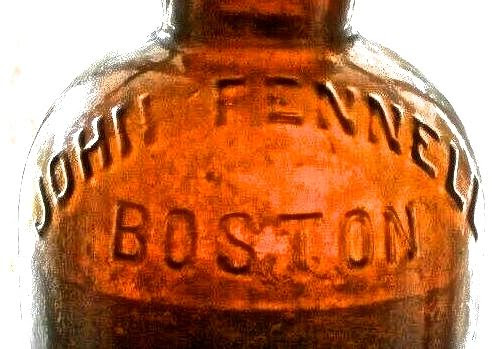
Fennell sold his products in bottles blown in a three piece mold, both in amber and green glass.  Shown above are two examples of his quart glass containers, both bearing his name and “Boston.”  These bottles also carry “O.G.R.” on the base, a mark that normally denotes the glasshouse that made the bottle.  In this case it does not.  As shown here in an ad, the initials stand for O. Gordon Rankine, a Boston glassware dealer and jobber who was receiving his bottles from factories in Baltimore and Philadelphia.  Rankine apparently insisted on adding his own mark.


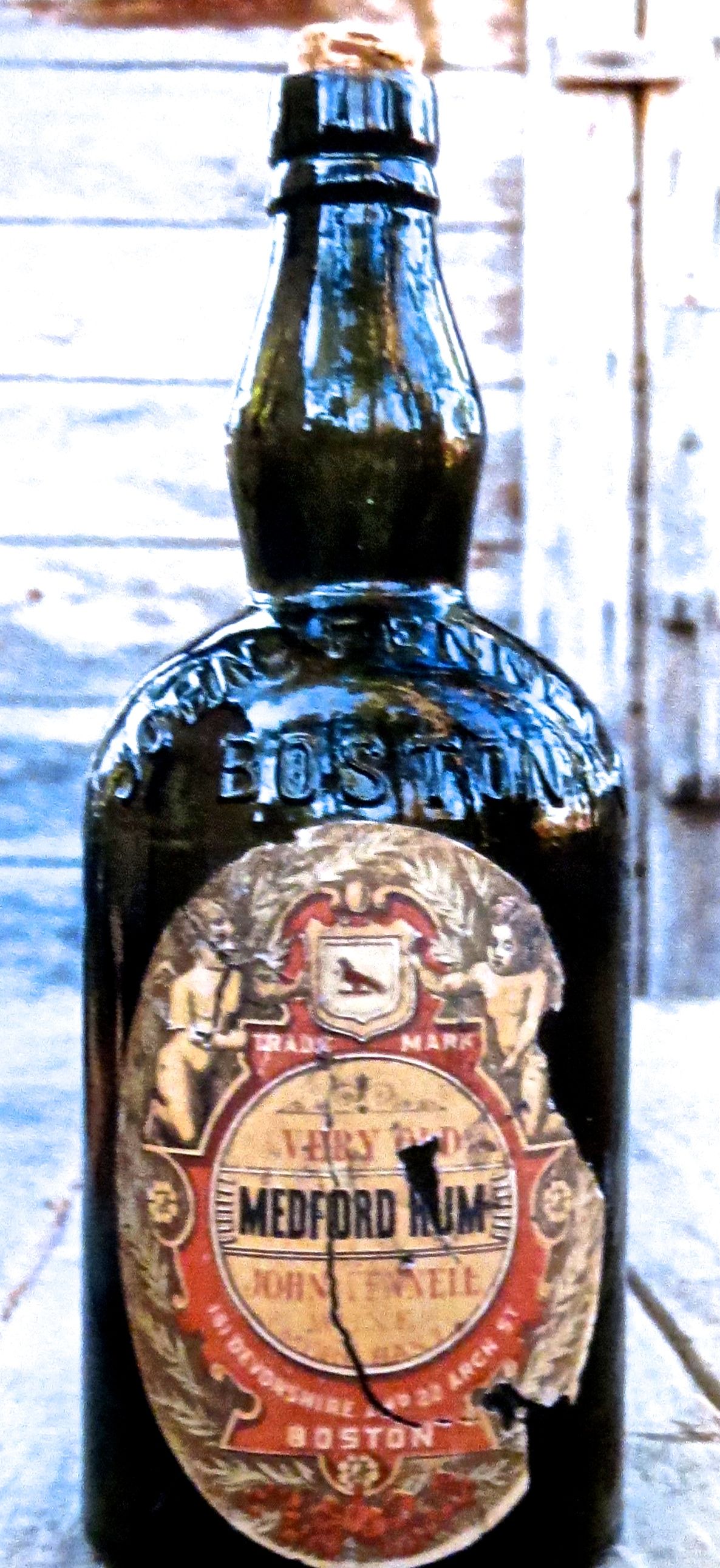
Although the original paper labels are missing from the great majority of Fennell’s bottles,  a label for his “Medford Rum” recently has come to light.  It is elaborately designed with accents of palm branches and flowers, a trade mark of a black bird rampant on a shield, and most interesting of all, two winged angels.  These cherubs are known by the Italian word, “putto” and more usually identified with beer. 


After 14 years of Furlong’s ownership, the Canadian turned over the liquor house to Fennell.  The change was noted in the October 17, 1886, issue of the Globe.  The new owner wrote:  “I have, therefore, the pleasure of announcing that I have opened at the old stand, and that in the future the business will be conducted as heretofore, but in my name solely…. I am in the position to give my customers, as in the past, the same pure and reliable goods at reasonable prices.”


He and Mary also moved into new lodging, renting a house at 33 Monandock Street, an unusual structure divided through the middle into two single-family attached homes and yards, shown here.   The 1900 federal census found the couple living there along with Mary’s sister, Kate Quinn.  That same year Mary died and was buried in St. Joseph Cemetery, West Roxbury.


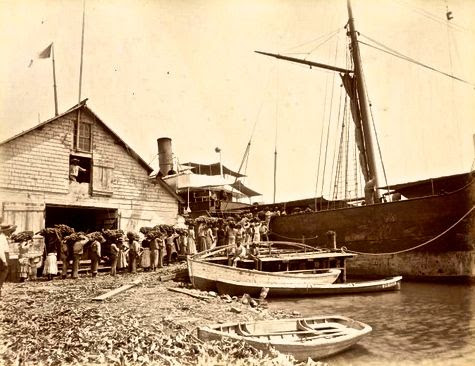
The 1910 census found Fennell at a new home address.  Living with him and keeping house was his unmarried sister, Mary; a niece Helen, and a female servant. During this period Fennell was traveling frequently to Continental Europe, the British Isles, and Latin America.  A prime destination was Cuba with its rum factories.  One of the ships on which Fennell traveled, the S.S. Banan, a banana boat, is shown here loading cargo in Cuba.  


On a ship bound for England to see relatives in 1828 Fennell became seriously ill, seemed to recover after landing, suffered a relapse and died. He was 75 years old.  His body was returned to Massachusetts where he was buried next to Mary and Frederic.  Despite the Globe reporter’s apparent skepticism about Fennell’s account of his closing, no evidence ever came to light that the Irish whiskey man was fibbing about having sold all his liquor months before the National Prohibition axe fell.  


Note:  This post was occasioned by the recent find of the “Medford Rum” bottle by collector Peter Samuelson of New Hampshire.  It encouraged me to research information on Fennell.  Fortunately an internet blog entitled “Mike’s Glass Bottle Collection and History” (https://baybottles.com)  provided a wealth of material on Fennell, including Boston Globe articles and two Fennell ads. 


Whiskey Men and Their Pig Bottles

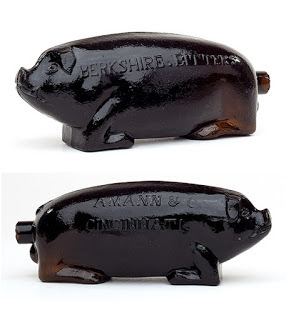
Foreword:  Is drinking from the hind end of a pig a particularly enjoyable way of swallowing whiskey?   A good number of pre-Prohibition distillers and liquor dealers must have thought so.  More than a few provided swigs from swine-figured bottles of glass and ceramic.  Featured here are three whiskey outfits that were particularly notable for their porkers.


The Amann Brothers of Cincinnati employed their pig flasks they for their “Berkshire Bitters,” the name of a famous breed of swine.  The Amann family originated in Europe, the exact place variously given as France or Germany.  Daniel was the firstborn in 1822, followed 13 years later by the birth of Anthony.  In 1839 their father uprooted the family to the United States, settling in Cincinnati.  There a third brother, Edmund, was born.  


Educated in local schools, the brothers appear early to have gone to work in the burgeoning local distilling and whiskey merchandising industry.   Advertising themselves as wholesale liquor dealers, the Amanns conducted a major rectifying — whiskey blending — operation.  One of their prime sellers was the highly alcoholic “Berkshire Bitters.”


 According to a relative, the recipe for that elixir came from the wife of a close friend of Edmund Amann. “Grandmother Harriet Conway McRoberts had a recipe for bitters that William [McRoberts] gave to the Amann brothers as he was on the decline.  They put that bitters recipe in little pig bottles.”   Today these porkers avidly are sought by collectors who care little about the swigs of bitters they once contained or granny’s recipe.


Like many rectifiers, Amann Bros. needed a consistently available supply of “raw” whiskey for their products in order to thrive.  This was a continuing problem, one exacerbated by the advent of various whiskey “trusts” that hiked prices on spirits available to rectifiers.  The brothers began to look for a distillery they could buy.

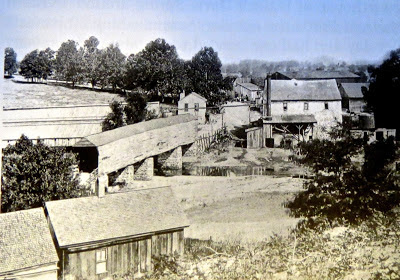
In 1890 they found one.  Initially known as the Almond Distillery it was located about 100 miles directly south of Cincinnati in Jessamine County, Kentucky.  They paid $10,000 for the property, a relative bargain likely related to the plant being located on low ground and subject to periodic flooding.  The photo indicates the extent of the facility.


Before the Amann’s bought the distillery it had the mashing capacity 200 bushels a day and capacity to store about 7,700 barrels for aging.  The brothers promptly increased the mashing capacity to 300 bushel per day and over time increased warehouse capacity to 13,500 barrels.  Most of this production was shipped to the Amanns for rectifying and bottling;  the rest was sold to other wholesalers and rectifiers.  From all indications, the Amanns, now assured of a steady supply of product,  were thriving during the 1880s.  By the beginning of the 20th Century, however,  two of the brothers had died and in 1903, Edmund sold the distillery and shut down the company.  The pigs remain as a reminder of the Amanns.


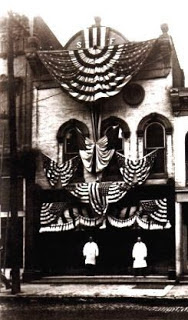
Festooned with patriotic red, white, and blue bunting from top to bottom,  the Star Saloon appeared in a photograph bedecked for the 1911 inauguration in Frankfort of the incoming Governor of Kentucky, James McCray.  Located at 222 St. Clair Street between Main and Broadway, the Star had long since become a favorite “watering hole” for the political and business elites of the state capital. Its amiable proprietor, Joseph Schroff, was a familiar local personality.


The success of a saloon was largely dependent on the personality of the owner.  A genial proprietor with a memory for faces and names, quick with a welcoming word, a keen sense of hospitality, perhaps something of a colorful personality, and above all, a generous spirit, could be assured of attracting a clientele.  On the last point, Schroff excelled.


His tradition of gifting customers across the bar with small ceramic bottles of whiskey was not unusual for the era.  Many publicans were accustomed to handing out mini-jugs and bottles that advertised their drinking establishments, each with several swallows of liquor inside.  Schroff went a step further by giving away bottles of unusual interest, containers shaped like pigs.


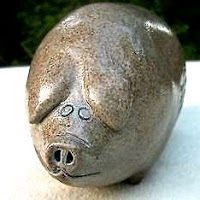
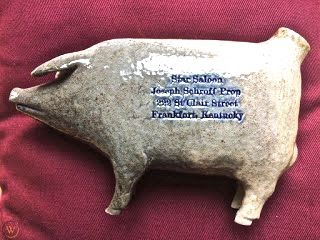
Schroff’s hogs were distinctive for their personality.  Note the pig bottle above, one that carries Schroff’s name, Star Saloon, and his address.  Upon further examination the porker exhibits its individuality by its flattened ears, distinctive nose and circular eyes.  Its backside, with curled tail and large drinking hole add to its distinctiveness.


That pig looks quite different from another Schroff giveaway pig, one with the leaner look of an Ozarks hog.  This ceramic bottle has well-defined ears, a long snout and wide nostrils, and most distinctive of all two splashes of cobalt for eyes. Rather than just a hole from which to quaff the contents, its tail forms a clear neck for drinking purposes.


Regrettably, Schroff’s time was limited at the Star Saloon.  He died in August 1896 in Frankfort, only 43 years old.  He left a widow with seven children to raise, the oldest sixteen, the youngest, one.


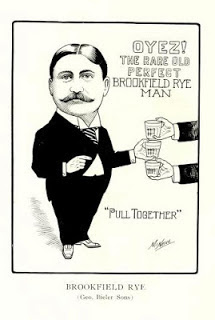
For more than a half-century one family operated a wholesale and retail liquor business in Cincinnati, Ohio, evidently prospering by close collaboration.  A 1905 book that provided caricatures of the city’s businessmen celebrated the Bielers’ success by depicting one of the second generation, likely Charles J., and two hands,  those of his brothers, as they guided the George Bieler Sons Company.  The family motto was “Pull Together.”


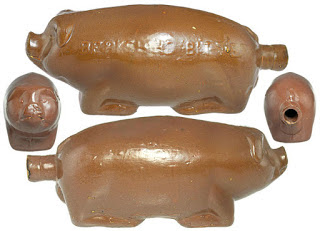
Blenders of whiskey not distillers,  the Bieler boys heavily  merchandised their flagship whiskey, Brookfield Rye, using the slogans, “Rare Old Perfect,”  and “Made famous by public favor.”  Although they packaged their whiskey in glass bottles, they favored ceramic jugs to make their product stand out amid the intense competition being provided by a plethora of Cincinnati liquor dealerships.  


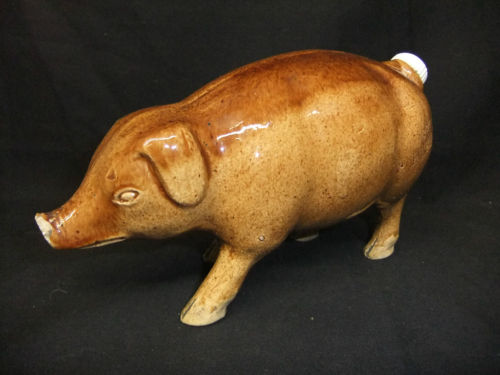
Like their Cincinnati competitors,  the Bielers provided an array of giveaway items to saloons and other favored customers.  My favorite Bieler giveaways are their pig bottles.  Among them is honey brown ceramic pig that has a butt plug that identifies it as from George Bieler Sons and containing Ronny Club whiskey.   In 2013 this item fetched $778 at auction.  Another Bieler hog bears a splotchy brown coat and the brand name on a rear haunch.


The Bieler Boys continued to pull together and prosper through the 1900s. In 1901 they moved their operation to larger quarters at 717 Main Street only to move again to the northeast corner of Seventh and Main Streets in 1903.  There was a shift to the northwest corner of that same intersection several years later.  The next address in Cincinnati city directories was to 126 East Seventh St. in 1911.   Despite the firm’s success, Prohibition was fast closing in.  When Ohio went dry in 1916, the end of Geo. Bieler’s Sons Co. was in sight.  They moved to smaller quarters that same year, probably to maintain their mail order business, but terminated altogether in 1918.


The pig figural bottles displayed here today is over 100 years old and considered antique. They — and those like them — are avidly sought.  A least one collector has created what he calls his “pig pen” to display his fabulous group of ceramic and glass porkers.  Originating as giveaway items by the Amanns, Bielers and Schroff, each of the bottles shown here now fetches from hundreds of dollars to over $1,000.  


Note:  Each of the whiskey men cited here has been the subject of a previous post on this blog:   The Amanns, May 6, 2017;  Joseph Schroff, August 29, 2020, and The Bielers, May 27, 2013.


Jerry Mullins: Out of the Mines to Fight Prohibition


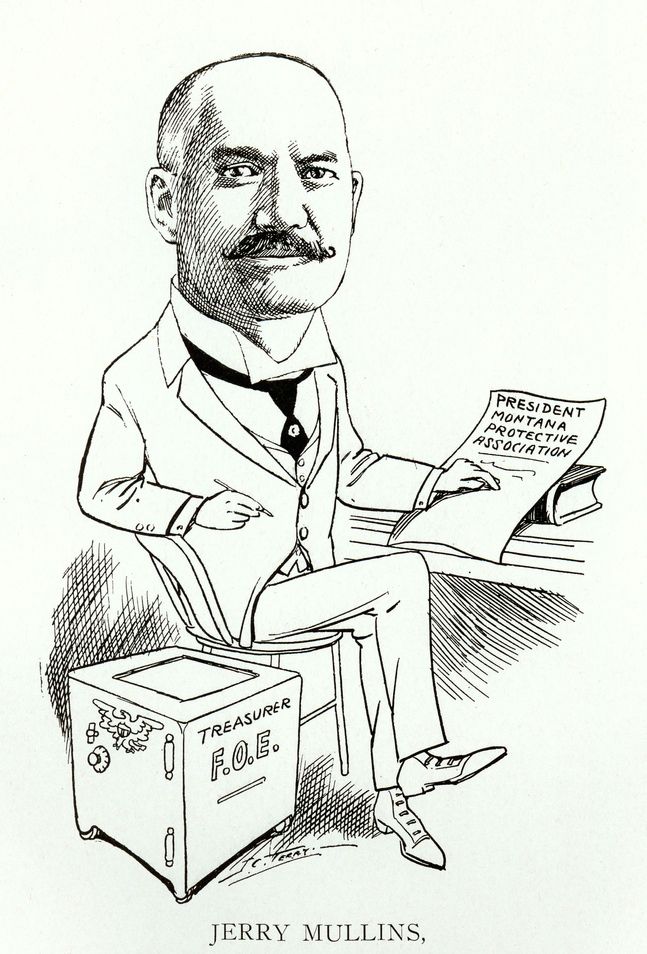
The caricature that opens this post is of a man pictured as one of the “prominent men of Montana”  whose career took him from laboring in the earth as a youthful miner to running a successful Butte liquor house and brewery and later heading up the fight against the forces of Prohibition in “The Bonanza State.”  His name was Jeremiah “Jerry” Mullins.


Mullins was born in Quebec, Canada, in August 1838 of Irish immigrant parents.  His father, Daniel Mullins from County Cork, immigrated to North America in 1846 at the outset of the Irish potato famine.  After a period in Massachusetts, Daniel went to Canada to work on the Canadian Grand Trunk Railway.  Jerry’s mother, Mary Mahoney, was born in Ireland and brought to Canada as a child.  The parents married there.  They would have nine children, of whom Jerry was the youngest. 


By the time Jerry Mullins reached school age the family had relocated to Marquette County, Michigan, where he attended elementary school.  His education ended when he was fourteen, forced by family circumstances to go to work.  “He subsequently earned his first money by driving a horse, receiving a dollar a day wages,”  according to a 1913 biography. “…His first permanent employment was as a day laborer on the Canadian Pacific Railroad.”


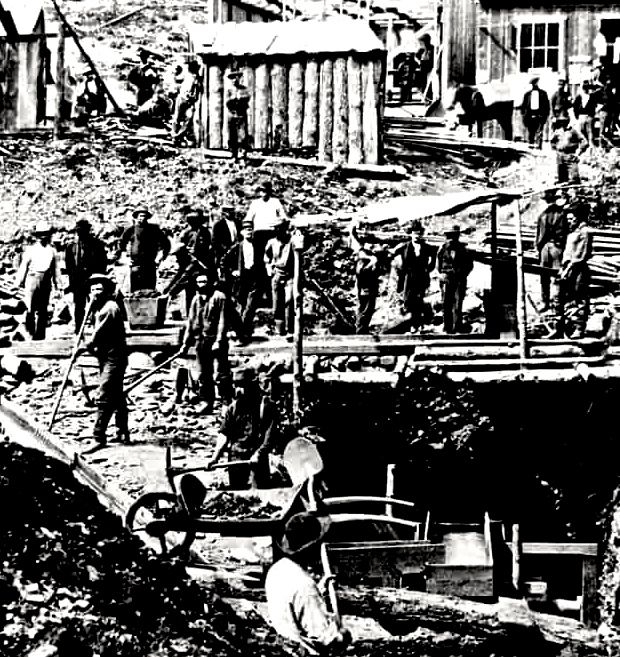
When he reached 21, Mullins, pulled by the lure of gold, left his Michigan home for the Black Hills of South Dakota.  The greatest days in Black Hills mining history had come three years earlier in 1876, when a team of four men discovered a gold bearing outcropping near present day Lead, S.D., staked a lode claim, and named their new mine the Homestake. They had located a part of the most significant gold vein in American history.  Thousands flocked to the area; many like Mullins too late to experience a golden harvest.   After laboring in the soil there for two years, in 1881 Mullins moved 520 miles west to Butte, Montana, and resumed his mining efforts.


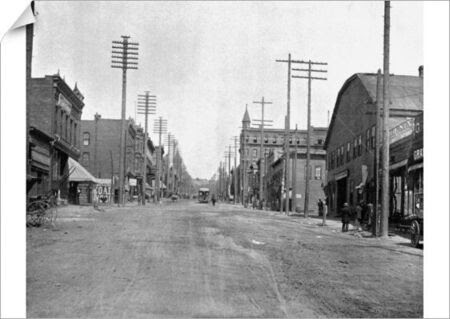
Those activities may have been more fruitful.  After five years in mining he found sufficient resources to open a saloon on the east side of Butte’s Main Street, shown here.  This venture proved unsuccessful and after only a year Mullins abandoned the role of saloonkeeper and, as his biography put it:  “The ensuing four years was variously employed….”   Among occupations, he served two years as deputy sheriff of Silver Bow County.   Mullins’ talents were becoming increasing evident to himself and residents of Butte.


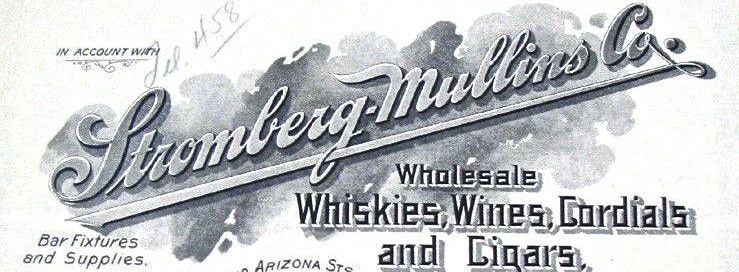
Thus it probably surprised no one when John A. Stromberg who ran a store on the corner of Arizona and Platinum Streets featuring “whole fruits, produce, wines, liquor and cigars” took Mullins on as a partner.  The new enterprise, Stromberg, Mullins Company ditched fruit and vegetables and became entirely a liquor house, also selling bar equipment and supplies, and boasting an adjacent saloon.  Shown here as it looks today, the company’s chief location was known as the Stromberg-Mullins Building.


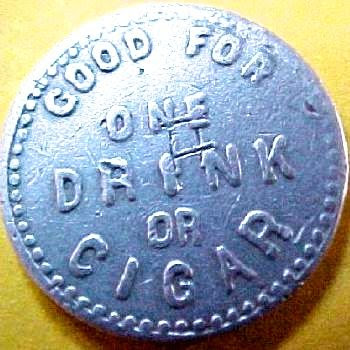
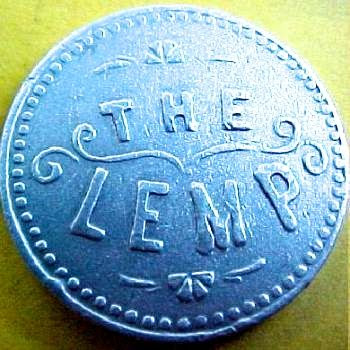
Artifacts from Stromberg, Mullins are rare.  An exception is a bar token advertising Lemp beer, the product of the W. J. Lemp Brewing Company of St. Louis.  The token is believed by collectors to have originated in Butte where Stromberg, Mullins Co. represented was the brewery.


Meanwhile Jerry Mullins was having a personal life.  In August 1893, at the age of 35, he married Katherine O’Neil, a woman of Irish heritage, born in Michigan and according to records was 17 when they wed.  A year later their daughter, Mary Leona was born.  She was their only child.  By now prosperous, Mullins moved his family into a modest one story house at 510 West Galena Street in Butte.  Then he set about remodeling it extensively.  He added a one story extension and second story.  Today the house is on the historic register for its curved glass parlor bay, original Victorian interior, including a double staircase, an ornate support pillar, maple floors, and original light fixtures.  Mullins left his personal mark on the residence, carving his name in the granite doorstep and initials in the beveled glass above the door.  Shown here, although the exterior facade has been changed, the house interior is much as Jerry and Kate left it.


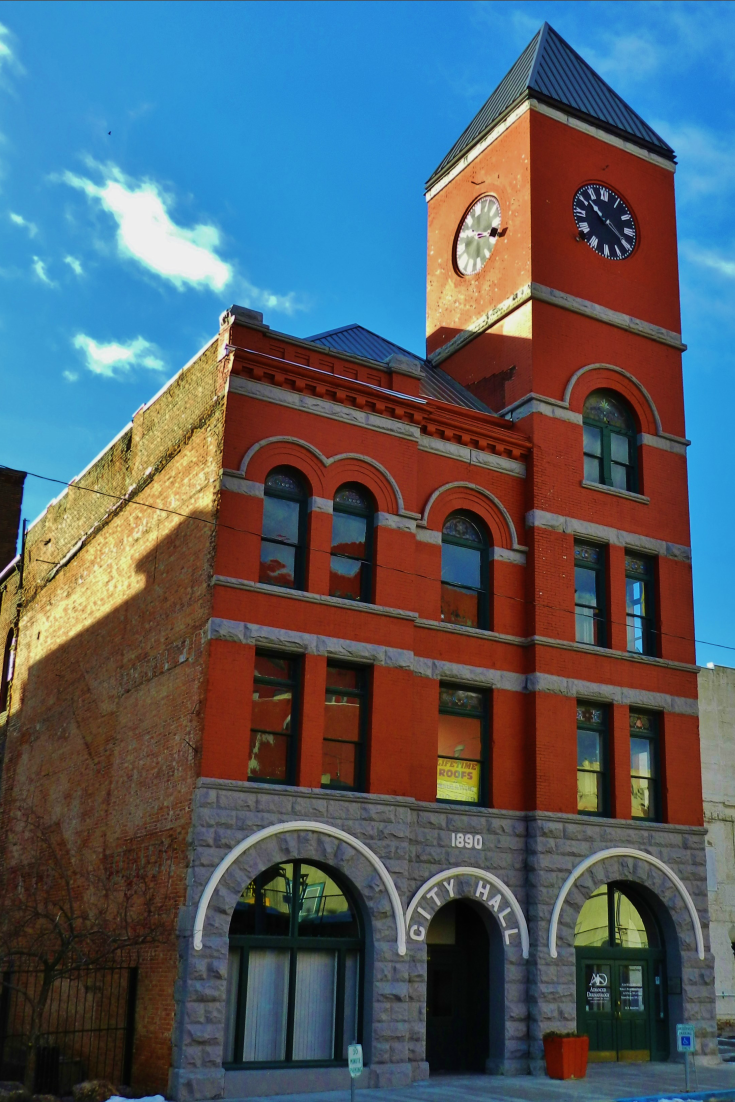
Mullins took a strong interest in local and state politics, active in the Democratic party organization in Butte.  He was elected from the Sixth Ward to a two year term on the City Council and followed with second term, named by his peers as Council President in City Hall, shown here. During this same period, he left Stromberg to open to his own saloon/liquor store and in 1904  joined with other Butte locals in starting a new brewery called the Tivoli Brewing Company.  Mullins was secretary treasurer and his saloon described as the main distribution point for wholesale and retail beer customers.

While Mullins may have been growing ever more wealthy from his liquor and brewery revenues, the forces of prohibition were accelerating in Montana as well as throughout the Nation.  Some brewers and beer distributors were employing a strategy that decried the evils of whiskey, allying themselves with the “Drys,” but insisting that beer was akin to “food” and should not be banned.  Alarmed, leading voices in the liquor industry, recognizing that the argument was damaging the entire effort at staving off bans on alcohol, created an organization called the National Protective Association.  It operated through a network of state units.  


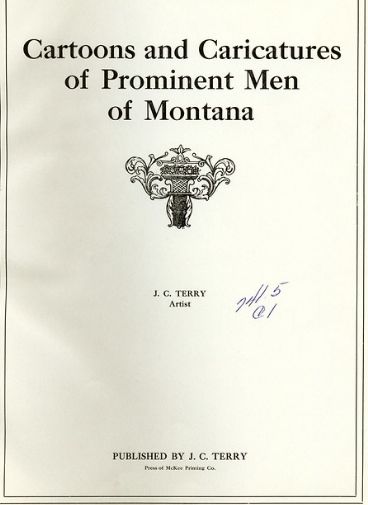
As an individual who was involved with both liquor and beer, Jerry Mullins was a natural choice to be chosen president of the Montana Protective Association.  Traveling throughout the state advising on local issues, he became a widely recognized figure.  Thus it was no surprise when Mullins was selected among 100 Montana residents to be chosen for a caricature in the 1911 book, “Cartoons and Caricatures of Prominent Men of Montana,” — the picture that opens this post.  Mullins was the only “whiskey man” depicted.


In the end, Mullins efforts to beat back the forces of prohibition were futile.  On December 31, 1918, a year before the imposition of National Prohibition, Montana went “dry.”  Mullins was forced to close his saloon and witness the demise of the Tivoli Brewery after 14 years in operation.  Earlier he had taken a financial setback as the president of a mining company headquartered in Butte, capitalized at $1.5 million in 1914 dollars.  A mining journal reported the company owned the Ultamilla gold mine near Helena, Montana but was “in debt and idle.”


Whether it was these twin setbacks or other causes, Jerry and Kate moved to Seattle, Washington, the home of their now-married daughter.  There Mullins health declined because of heart problems.  In a weakened condition, he became a victim of a flu epidemic and died in January 15, 1923.  He was 64 years old.  On his death certificate his wife Kate gave his occupation as “hotel proprietor,” although I can find no record of his having been thus engaged.  After a funeral Mass in Seattle’s St. James Cathedral, he was buried in Calvary Catholic Cemetery, below. 


Over his lifetime Jerry Mullins, an immigrant’s son with limited schooling and a miner’s beginning, by dint of intelligence and effort in the alcoholic beverage trade had risen in business and political recognition to become one of Montana’s most prominent men.


Note:  This post was assembled from a variety of reference materials.  Principal was the book, A History of Montana, Volume 2,  published in 1913. Page 1167.“Cartoons and Caricatures of Prominent Men of Montana,”  was published in 1911 by J.C. Terry, artist and publisher.  


Augustus Goodwin and a Wife’s Yen for Royalty


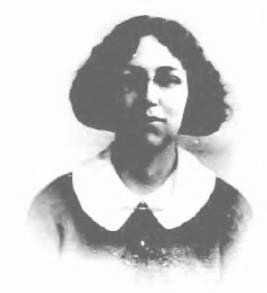
 Augustus Franklin Goodwin was a wealthy Bostonmerchant, CEO of a large chain of specialty grocery stores that featured at least thirteen brands of his proprietary whiskey.  Despite his success, Augustus found his socialite wife enamored of European royalty to the point of dumping him for a hereditary count.  The photo here is of Frances Thorley Goodwin, subsequently known widely to New York society as “Countess von der Palen-Kar,” a designation as questionable as the origins of her second husband’s title.

Unlike most of the “whiskey men” whose stories are told on this site, Goodwin was born into wealth and privilege.  His father, Manning Goodwin, was a gentleman farmer and merchant in New York.  Augustus, an only son, was given a good education and set on a vocational path as a businessman.  Early in his career, he became engaged to Frances Thorley, the daughter of Charles and Mary Thorley, a wealthy family living at a fashionable address on upper 72nd Street, Manhattan.


When Augustus and Frances wed the newspaper record of their nuptials described the extravagant nature of the occasion, reporting:  “The bride who was given away by her father, wore a white satin gown, with court train, and bodice and sleeves of Brussels point lace  Her diamond necklace was a gift of her father….Mrs. [Mary] Thorley was in white silk,embroidered and wore emerald and diamond ornaments.”  A mere 800 guests attended the reception following the wedding. 


A rising star in the East Coast business world, Goodwin was tapped to be the president of a speciality grocery chain in Boston called the Ginter Company.  A 1901 city directory listed three locations in the city, 236 Tremont, 2 Union and 163 Summer.  Under Goodwin’s guiding hand by 1905 the number of Ginter stores had risen to five in Boston and a sixth outlet in nearby Roxbury, Mass.  By 1915 the company would boast 14 stores in Boston proper and a similar number in the suburbs.


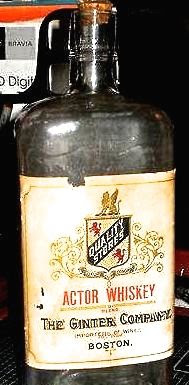
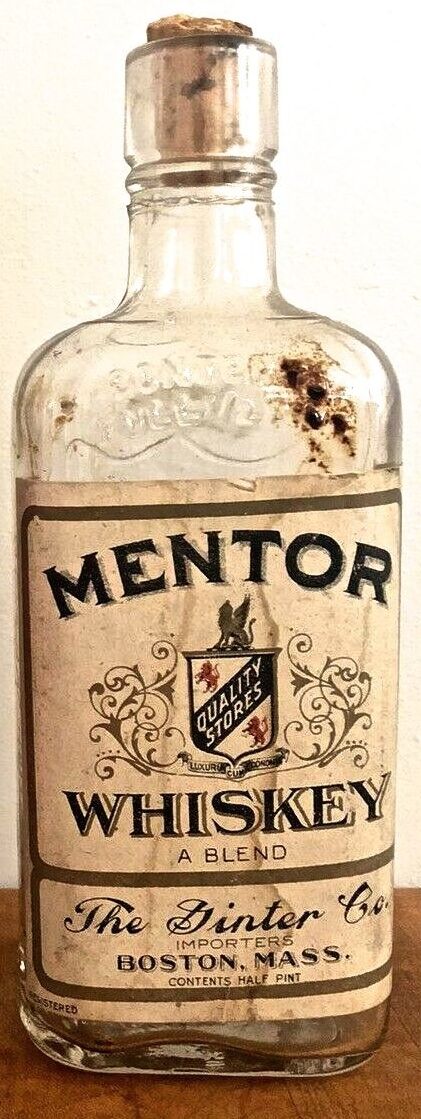
A key to Goodwin’s strategy for expansion and success was selling liquor under proprietary labels.  They included the following whiskeys:  “Actor Rye,” “Aquinas,”  “Banquet,”  ”Benton Rye,” “Glen Adir,” “Harlequin,” “Kangaroo Rye,” “Mentor,” “Promenade,” “Radcliffe Rye,” “Royal Wikstaf,” ”Sexton Rye,” “Sonata Rye,” and “Westford Rye.”  Unlike other liquor sellers, Goodwin trademarked a number of his most popular labels.  After Congress tightened the trademark laws in 1904, he registered Promenade Whiskey in 1905;  Harlequin, Mentor, and Royal Wikstaf in 1906, and Glen Adir in 1907.


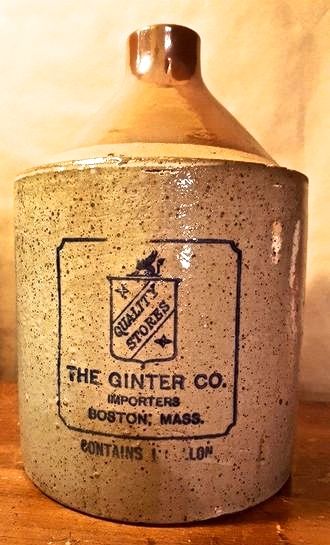
Goodwin’s Ginter Company did not own a distillery but may have been dictating recipes to “captive” distilleries that contracted their entire output to the Boston chain.  Ginter likely was receiving the product by the barrel and devising the labels for the brands.  The bottling might have been done “in house” or contracted out.  So long as supplies of liquor were adequate to meet sales demands, the system was efficient and resulted in considerable profits.  Shown below are Ginter Co. ceramic jugs that also likely carried whiskey.


Coming from a Manhattan society background Frances Goodwin may have found Boston too provincial to her taste and chafed to return to “The Big Apple.”  After the birth of the Goodwins’ first and only child in 1909,  Augustus, perhaps as a way of mollifying his wife, agreed to a major remodeling of their mansion home at 130 Commonwealth Avenue, in one of Boston’s most elegant neighborhoods.  


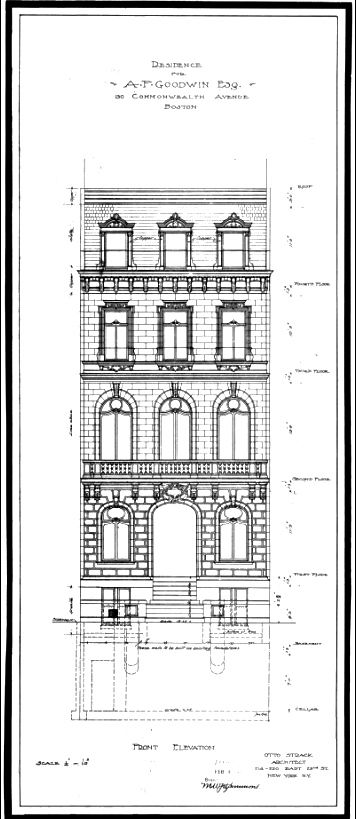
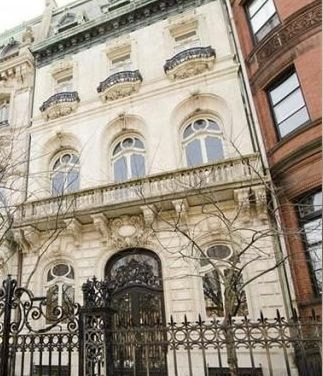
The costly remodeling included rebuilding the front façade in a Beaux Arts design, eliminating a bay window to the east of the former entrance, and centering the entrance.  Significant interior remodeling adjusted floor levels and modified room arrangements.  Shown here are plans for the remodeling and the building as it looks today.  


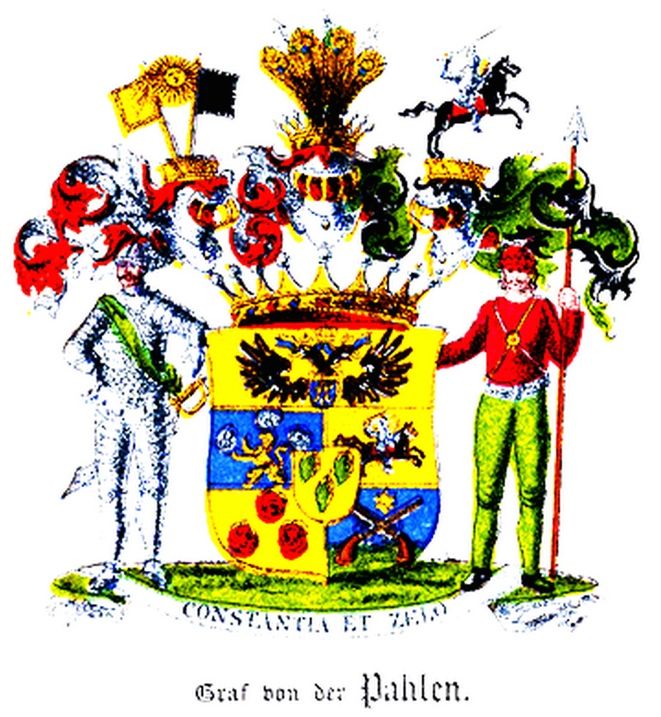
Despite her husband’s exertions Frances was not satisfied.  She had developed a yen for royalty in the person of Count Adolphe J. von der Palen-Klar, living in Brooklyn, possibly under modest circumstances.  Adolphe’s family is said to have achieved nobility in 1799 when Emperor Paul the First of Russia, for reasons unknown, gave Peter Ludwig von der Pahlen and all of his descendants the rank of count.  Some members of the family also emigrated to Sweden where they formed part of  “unintroduced” nobility, i.e.. second class royals.  Adolphe inherited the family coat of arms, a somewhat chaotic design perhaps indicating a complicated ancestry.  How the Count got to Brooklyn and what he did there mattered little to Frances who had enough family money for them both.  
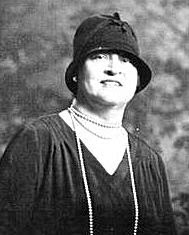

She divorced Augustus and subsequently married Adolphe on November 16, 1927 at the American Church in Paris, France.   After a honeymoon they returned to live in New York.  Frances quickly snatched onto the title of “countess,” however murky its origins.   Adolphe moved out of Brooklyn for lodgings with his new wife at one of upper Manhattan’s swankiest buildings, 920 Fifth Avenue.  Shown here, this limestone-clad building in the Italian palazzo-style, designed by the noted luxury apartment architect J.E.R Carpenter, was constructed in 1922.  It became the residence of movie star Gloria Swanson and other notables. Today a condo apartment there costs in excess of $13 million — no mortgages, thank you, just cash on the barrelhead. 


New York newspapers frequently ran items recounting the couple’s activities: “Count and Countess Adophe J. Von Der Palen-Klar gave a dinner last week at their home, 920 Fifth Avenue, in honor of the Grand Duke Boris of Russia, first cousin of the late Tsar, and the Grand Duchess.” “Count and Countess Adolphe J. Palen-Klar gave a dinner last evening at the Regis roof garden….”“[Four names]…were among the luncheon guests of Countess Adolphe J. von der Palen-Klar at the Ritz Carlton yesterday.”  Now clothed in royalty, Frances Thorley had arrived at the pinnacle of Gotham’s social set.


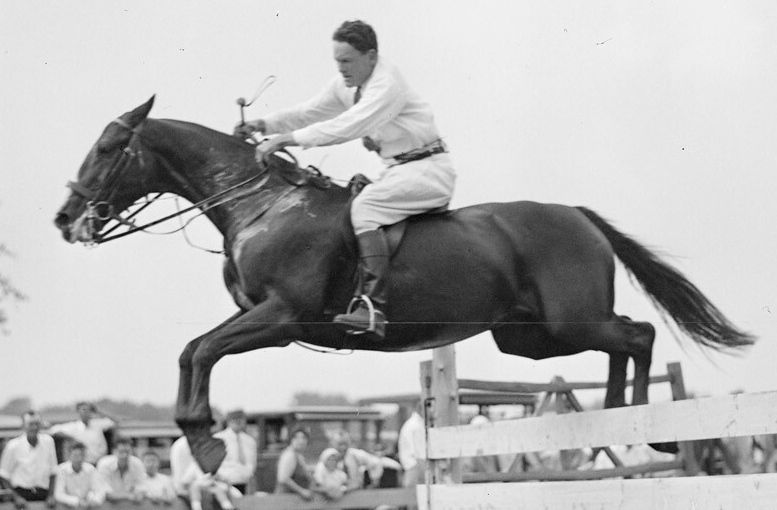
Meanwhile back in Boston, Augustus Goodwin was busy running the Ginter Company and indulging his hobby as an owner/breeder of thoroughbred racehorses, including the steeplechase jumper shown above.  He also found a second wife.  She was Julia E. Folsom, a Massachusetts-born woman six years younger than he.  Julie had had an earlier marriage and a child.  The 1930 federal census found the couple and the daughters of each living together in Hamilton, a rural suburb of Boston.   Shown here, Julia has the look of someone willing to abide a rich husband without a title.


Augustus Goodwin likely had retired from the Ginter Company by that time. In 1925 the business had merged with two other outfits to form a major new grocery chain known as First National Grocery, with stores spread throughout New England and into New York State.  Moreover, the advent of National Prohibition had ended all sales of alcohol and the whiskey brands that Goodwin had so carefully nurtured would be heard from no more.  


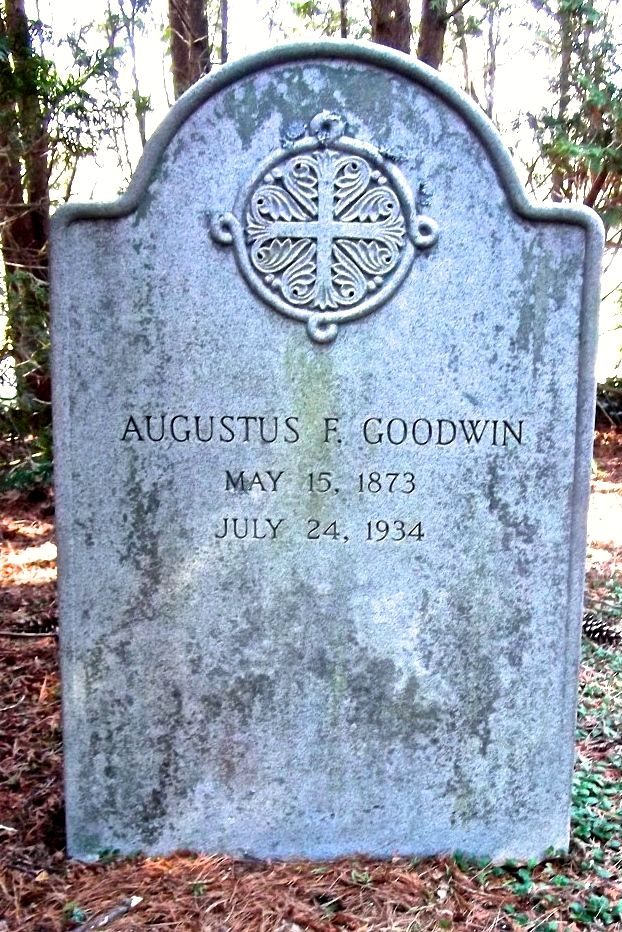
Goodwin’s love for horses was his undoing.  In July 1934, he dressed in his riding outfit and drove from his Hamilton home to the nearby stables where he kept his horses, mounted and rode off.  Somewhere along his journey the horse threw him to the ground.  Goodwin may have died almost instantly.  The cause was recorded as “fracture at base of skull.”  Age 61, Augustus was buried in the Hamilton Cemetery.  Julia died in 1951 and lies an adjacent grave.


In New York,  the countess died in 1944.  The count followed four years later.  Both are interred in the Von der Palen-Klar mausoleum at Woodlawn Cemetery in the Bronx.  Thus ended the saga of a Boston grocer and whiskey merchant and his errant wife who fancied a title more than tea bags and royalty over rye whiskey.


Note:  This post was gathered from a wide range of sources. Of major importance were genealogical sites.  Photos were gleaned from the Internet.  As often occurs, it was seeing Gintner Company whiskey bottles that sent me on a search for their origin and finding Augustus Goodwin and the Countess.


Ladner Bros. Wrote a Tale of Four Cities


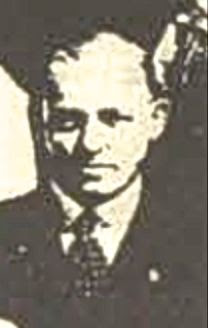
Brought to the United States from Germany in 1889 by their parents while they were still minors, Frank and Carl Ladner went on to create a wholesale and retail liquor enterprise that stretched from Montana to Illinois and produced a quantity of whiskey jugs that command significant prices from avid collectors.  The brothers are pictured here in maturity, Frank, the eldest, on the left.


After arriving in America the family initially settled in St. Paul, Minnesota, where the father, Franz Henry, found employment.  After six years, the Ladners moved in 1895 to nearby Red Wing, Minnesota, known for its quality potteries.  There Frank with the help of Carl founded the Ladner Brothers Saloon and Wholesale Liquor Company on the city’s Main Street.  The business apparently was a success.  With local potteries doing a booming business at the time, many of their workers had a taste for alcohol.


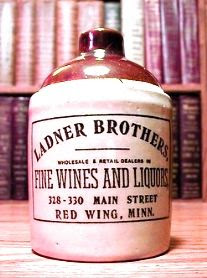
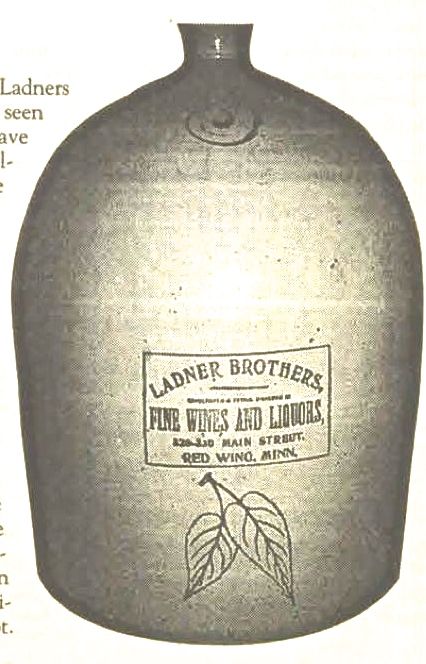
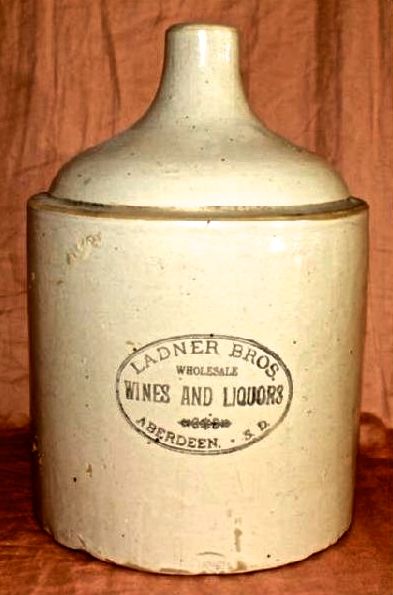
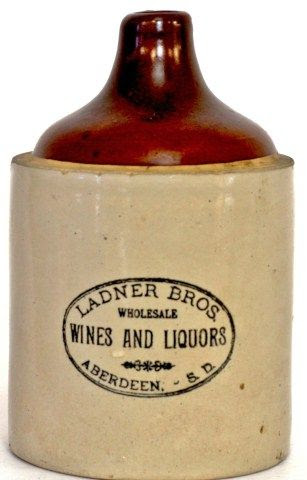
The Red Wing potteries also provided the Ladners with containers for their wholesale whiskey.  As shown here, the jugs ranged in size from one to five gallons, all bearing similar labels.  The Ladners were not distillers but were buying whiskey by the barrels, likely from distillers in Peoria and other Illinois locations, decanting them into smaller quantities and selling the product to saloons in Red Wing and the nearby Twin Cities, as well as pouring it over the bar in their adjoining saloon.  


Meanwhile, both men were having personal lives.  While still in St. Paul, at 19 Frank married.  His bride was Ellen “Nellie” Cain, a woman born in Minnesota of Irish immigrant parents who was slightly older than he.  During the next 10 years the couple would have six children.  Then sorrow struck as Nellie died in November 1905.  Left with children ranging in age from eleven years to a toddler, Frank remarried 18 months later.  His bride was Anna Koester of Red Wing.  They would go on to have four more children.  Carl, age 22, in September 1899 married Mary Straiger, of German descent in Red Wing.  They produced seven children.


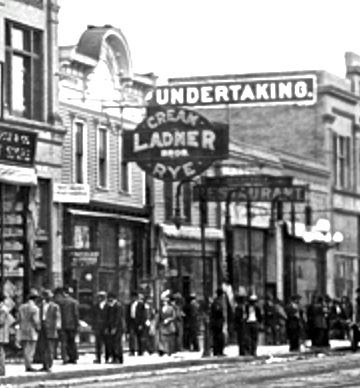
For unexplained reasons, during the early 1900s the Ladners sold the liquor business to concentrate their energies on the success of their saloon.  Five years later Carl ceded his interest in the Ladner saloon to Frank and headed 300 miles west up the Mississippi River to Aberdeen, South Dakota.  There he opened a saloon and liquor store he called Aberdeen House.  Indicating that his leaving Red Wing had been an amicable separation, Carl named Frank as a partner. A photograph exists of this establishment.


Moreover, Carl continued to buy his liquor containers from Red Wing.  Selling at wholesale to Aberdeen saloons, he once again was buying “raw” whiskey from distilleries, delivered it to him in barrels by water and rail.  He was decanting it into jugs and selling it to the saloons, restaurants and hotels of Aberdeen.  As shown here the jugs ranged in size from a single gallon to two and five gallons. 


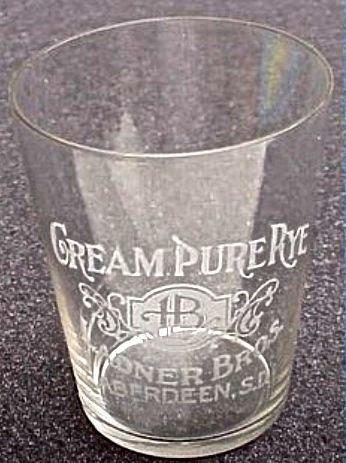
Like many liquor house proprietors, Carl was generous with his giveaways to his best customers.  Below are to examples of gifted shot glasses.  Note that like the sign on his saloon/liquor store, they advertise “Cream Pure Rye,” his house brand, likely blended on the premises. At the holidays he also gave away one-half pint decorative jugs of whiskey “Compliments of Ladner Brothers.”


Carl also was expanding the reach of the brothers’ liquor business, opening a branch office in Miles City, Montana, 360 miles west of Aberdeen, then still a “wild west” town.  Advertising as “Ladner Bros. Wine and Liquor Merchants,”  Carl installed an F. C. Schubring, a local of German heritage as his resident manager.  Schubring, according  to Miles City records, hired another Schubring, possibly his son, as a porter.  Carl also is recorded operating a satellite saloon in James, South Dakota, a rowdy railroad hamlet 12 miles from Aberdeen.


Amid this expansion, the specter of prohibition was looming larger and larger.  Local option laws bit by bit eliminated the ability of the Ladners to sell their liquor in surrounding communities.  South Dakota went completely “dry” in 1917, followed by Montana in 1918.  With foresight Carl had seen this strong movement in the upper Midwest to a ban on alcohol.  He closed up the Ladner Brothers operations in Aberdeen and Miles City and moved to Chicago.


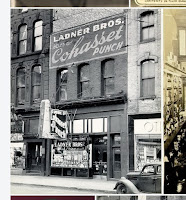
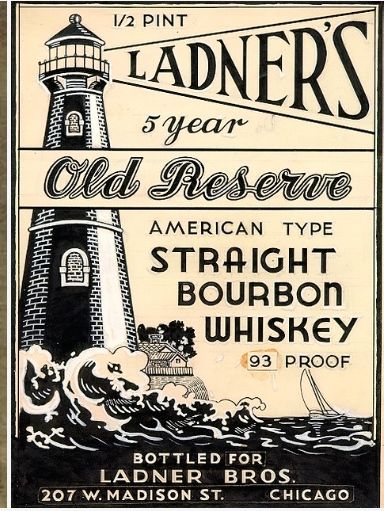
For a time Carl managed a Coca Cola plant there but “whiskey was in his blood”  and with a friend from Red Wing days he established a new Ladner Brothers liquor house and cafe in The Windy City. Located at 207 West Madison Street, as shown above, it featured large signs, including one in neon, advertising the house brand, “Cohasset Punch.”  


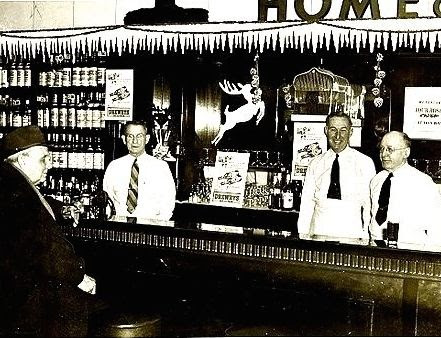
The company’s flagship whiskey now became “Ladner’s Old Reserve.”  No longer was Carl mixing up whatever whiskey he could buy on the open market and selling it in generic jugs.  This new enterprise allowed the Ladners to arrange for a distillery to prepare whiskey from a Ladner recipe and bottle it with a proprietary label.  Below is a photo of the interior of the Chicago establishment, showing the bar and plenty of Old Reserve on the shelves.  That is Carl Ladner standing far right. This profitable enterprise came to an end in 1920 with National Prohibition.


Meanwhile in Red Wing, Frank Ladner also was coping with the emerging “dry” era.  With the coming of World War I and wartime restrictions on alcohol, he could see the demise of his liquor business.  Moving to groceries, Frank’s saloon became “Ladner’s Cash and Carry and Delivery Store” featuring fancy goods, ice cream, a soda fountain, and “soft drinks of all kinds.”  Nary a bottle of booze in sight.  


Back in Chicago Carl pivoted to the bottling trade, specializing in soft drinks and sparkling waters.  He died in 1947 at age 70 and was buried Calvary Cemetery of suburban Evanston, Illinois.  Frank lived to be 84, dying in 1956.  He was buried in Red Wing’s Calvary Cemetery.  Both men had seen the end of National Prohibition in 1934 but neither apparently was tempted once again to enter the whiskey trade that had sustained them and their families for so many years.  We are the beneficiaries of their signature Red Wing pottery jugs and the story of an enterprising immigrant family.


Notes:   This post has relied heavily for information on a 1995 publication entitled “The Red Wing Collectors Society Convention Supplement, Volume XI,” editor Chuck Drometer.  A number of the photos used are from a Ladner Family Flickr site on the Internet.   This material has been supplemented from other internet sources.


Whiskey Men & “Murder Most Foul”

 Foreword: In Shakespeare’s “Hamlet,” the ghost of the poisoned king of Denmark tells his son of his killing, terming it, “Murder most foul.”  Whiskey men have been involved in homicides that might be similarly described, as bystander, victim or perpetrator, as related in the brief stories to follow.  The three incidents are linked by the reality that justice was not done in any of them.

The whiskey jug displayed here bears the stamp of a man whose life became entwined with the murder of the New Orleans police chief;  the arrest of colleagues, including his brother,  and the largest lynching of white men in the history of America.  He was Antonio Patorno, politician, militia captain, saloonkeeper and liquor dealer. 


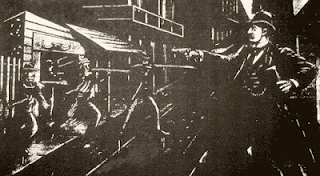
Whatever sense of satisfaction Paterno felt as a leader of a significant portion of the Italian community in New Orleans, the year 1890 would change everything.  New Orleans was undergoing a period lawlessness, corruption and unrest.  On the night of October 15, as the New Orleans police chief, David Hennessy, was walking home he was gunned down on the street.  As he lay dying he is reputed to have whispered, “The dagoes did it.”  A mass arrest of Italian-Americans and Italian migrant workers followed.  Many were Paterno’s friends and adherents.


From his position of leadership, Patorno vigorously argued against the arrests.  At the same time he deplored the Hennessy murder.  He told a Daily Picayune reporter that as a New Orleans citizen and merchant he would do all in his power to “support and protect the honor and welfare of the city.” Among those taken was his brother, Charles, who is said to have had a strong resemblance to Antonio. 


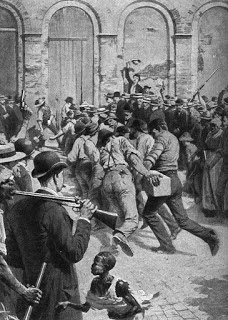
After a New Orleans jury failed to convict the first nine men on trial, a lynch mob broke into the jail and shot on the spot or took out and hanged eleven men, all Italians.  They included those tried and acquitted, those on whom the jury had deadlocked and others who were awaiting trial. Only eight of the nineteen arrested survived the lynch mob.  Among them was Charles Patorno.


The lynchings caused an international incident.  The Italian ambassador demanded that the U.S. government take action to protect Italians and provide restitution.  There were rumors of war between Italy and the U.S.  The threat passed when President Benjamin Harrison ordered a U.S. government award of $25,000 (equivalent to over $600,000 today) to the families of Italian citizens who had been lynched.  The perpetrators of the lynchings went free.


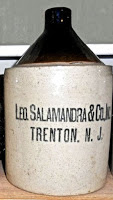
When National Prohibition arrived in 1920, Leo Salamandra, a successful and wealthy Trenton, New Jersey, liquor dealer still had thousands of bottles of valuable whiskey on premises — but was forbidden to market it legitimately. For months he anguished about what to do.  Late in 1921 Salamandra determined to sell the stash to a gang of New York bootleggers.  It cost him his life.


Through intermediaries, likely fellow Italians, he made contact with a New York City gang headed by Meyer Lansky who ran a prominent bootlegging operation.  Salamandra presumably made a deal to sell 51 cases of whiskey to the gangsters, worth in today’s dollar more than $600,000.  The conspirators agreed to the liquor handoff near Kingston, New Jersey, about 14 miles north of Trenton. There the money was to be turned over.  


On the night of February 13, 1921, with Salamandra and a brother following in their automobile, a truck carrying the whiskey set out from Trenton for the rendezvous.  The liquor dealer apparently was apprehensive about the deal as he and associates were armed with pistols. As they neared Kingston about three a.m. suddenly a Cadillac touring car with four men in it — hired by Lansky — pulled up beside them, pistols drawn, and forced both the truck and Salamandra’s car off the road.  A gun battle ensued. Leo Salamandra was shot five times at close range and died on the spot. 


His killers were never brought to justice. The dots connected back to Meyer Lansky.  Brazenly, Lansky shortly after the killing personally drove from New York City to New Brunswick with cash to bail out two implicated gang members.  The official investigation into the events that fatal night has been characterized by one observer:  “There was lots of lying…by both sides and the truth was never fully determined.” 


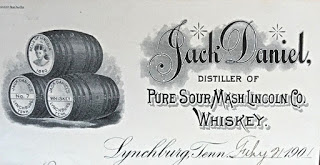
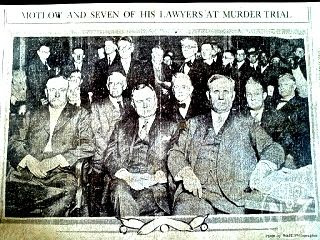
When describing Lemuel ”Lem” Motlow, the nephew of Jack Daniels and eventual owner of Daniels’ distillery, a company website mentions his service in the Tennessee legislature and his reputation as a businessman, concluding that he was “known to be a fair and generous man.”  What it fails to mention is that in 1923, Motlow, shown here, shot and killed a man in cold blood and got away with it by playing “the race card.”


Whether Lem was a habitual drinker seems unlikely but the stress of suspicion and a court appearance in St. Louis on charges of bootlegging early on March 17, 1924, may have encouraged him that afternoon to drink heavily with friends.  Drunk and packing a pistol, Lem boarded the Louisville & Nashville night train returning to Tennessee and the now-shuttered Jack Daniels Distillery.   


Tired, Motlow headed for a Pullman berth.  A black sleeping car porter named Ed Wallis asked Motlow for his ticket.  When Motlow was unable to produce one, Wallis refused him a berth.  Motlow became enraged at being balked by a person of color.  Hearing their argument, Conductor Clarence Pullis, who was white, tried to intervene.  As the train slowly made its way through a downtown tunnel toward the Mississippi, Lem reached for his pistol, apparently to shoot Wallis.  In his drunken state, he fired two shots, one errantly, the second striking Pullis in the abdomen.


Taken off the train, Pullis died in a local hospital, leaving his widow and two minor children.  Motlow was charged with murder.  St. Louis newspapers gave the story front page treatment.  Local sentiment ran high against the Tennessee distiller.  As a wealthy man Lem had ample resources at his disposal.  He hired a phalanx of top lawyers as his defense team.  They built their case on Wallis being black.  


No subtlety attended the defense making race the issue. In closing arguments one of Motlow’s lawyers declared:  “There are two kinds of (blacks) in the South. There are those who know their place … and those who have ambitions for racial equality. … In such a class falls Wallis, the race reformer, the man who would be socially equal to you all, gentlemen of the jury.”  The all white, all male jury took little time in bringing a verdict of “not guilty.”  The foreman told reporters:  “We didn’t believe the Negro.”  Jurors shook hands with Motlow as he left the courtroom on December 10, 1924 — a free man. 


In each of these three cases “murder most foul” went unpunished. All the killers went free.  Only one perpetrator was tried and by virtue of a racist defense, acquitted.  Not only was justice “blind” in each incident, it was entirely absent.


Note:  Longer vignettes on each of these whiskey men may be found on this site:Antonio Paterno, September 2, 2018;  Leo Salamandra, November 10, 2019; and Lem Motlow, November 26, 2019.


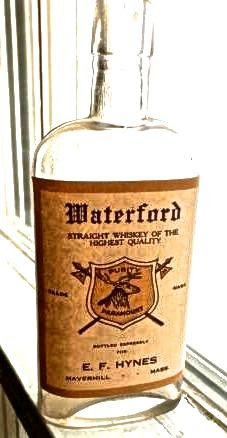
Hynes of Haverhill Was Lord of Labels


The photo below of a dingy storefront hardly seems that it could have been the place of origin for some of the most attractive whiskey labels in pre-Prohibition America.  It depicts a window and door of a saloon and liquor store owned by Edward F. Hynes of Haverhill, Massachusetts, a whiskey man whose imagination in labeling his liquor belied his dreary surroundings.


During the 18th and most of the 19th Century Haverhill was an important industrial center, with woolen mills, tanneries, ship building, and the manufacture of hats and shoes.  Early in the 20th Century, even before other New England cities, its economy began to falter.  Shown below is its main street, Merrimack Avenue, the location of Hynes’s enterprise.


Born in Ireland about 1864, Hynes at the age of 19 immigrated to the United States in 1883.  He likely had relatives in Haverhill, where he located for the rest of his life, becoming a citizen in 1888.  His first three years in the city have gone unrecorded but we can assume that he must have been engaged in the liquor trade, likely working for another Irish-American saloonkeeper and learning the business.   By 1887 Hynes had opened a liquor store at 137 Merrimack Avenue and a saloon he called E. F. Hynes Grill & Bar.


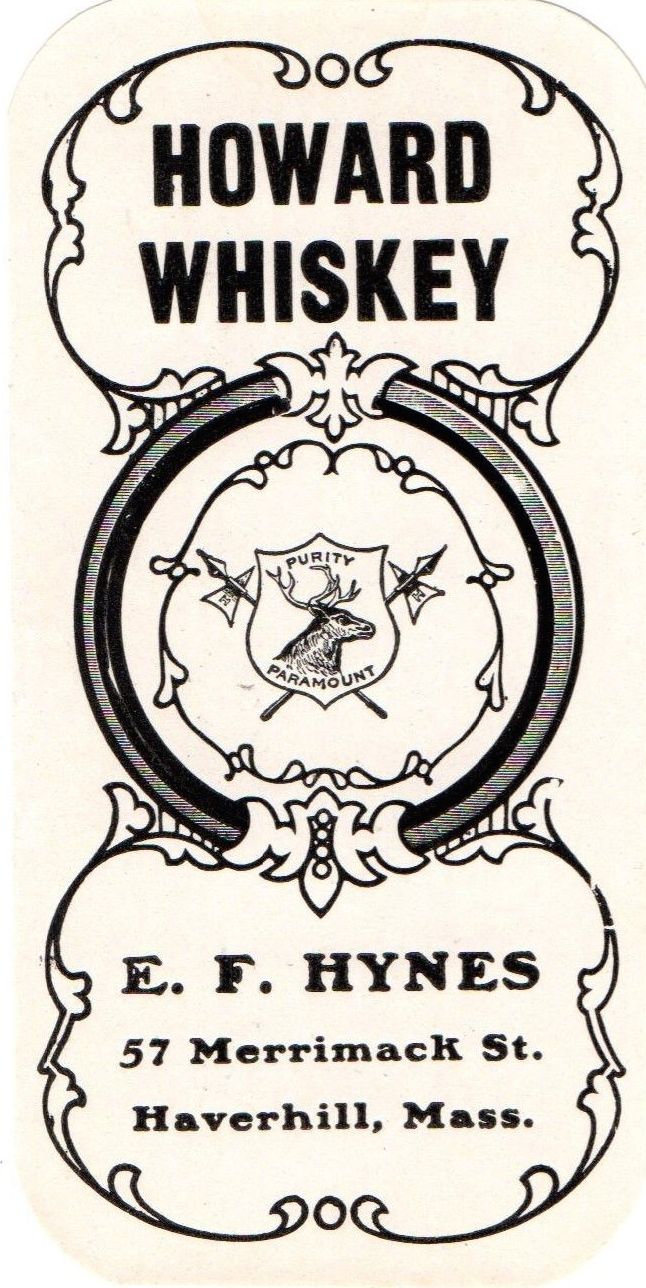
He also began creating his own brands of whiskey, not as a distiller but as a “rectifier,”  someone buying “raw” whiskeys by the barrel from a variety of distillers and blending them to achieve a particular color, taste and smoothness.The process has been described as an “art form,” requiring the same delicacy of palate as a wine taster.  Hynes then took the “art” one step further by bottling his liquor under more than a dozen names in attractive labels of his own design.


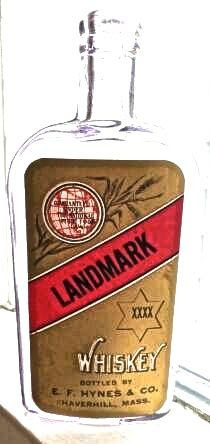
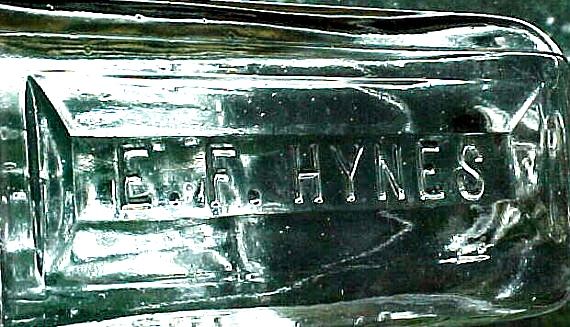
Among Hynes’ brands were: “ Black Bird Rye Malt Whiskey,” “Cream of Malt,” E. F. Hynes Pure Grain Alcohol,”, “Two Stamp Whiskey,” “Greenbrier,” “Hob – Nob,” “Howard Whiskey,” “Landmark Whiskey,” ”Old Parish Rye”, “Everett Springs,” “Waterford Straight Whiskey,”  “Refreshmenter Rye,” and “Top Notch Rye.”  It is interesting that the Irish immigrant did not bother with the expense and effort to trademark any of his labels.  Hynes did, however, emboss his name on his bottles, thus identifying the origin even if the paper label was lost.


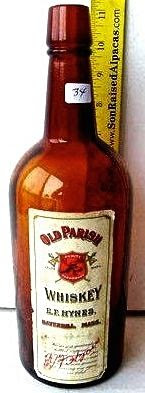
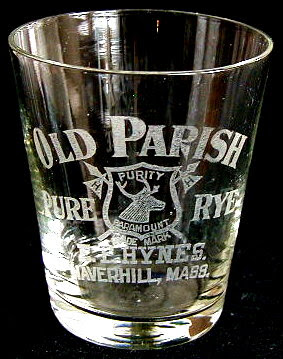
The flagship of Hynes’ whiskeys was “Old Parish,” a name suggesting a church-y identification that may have been aimed at enraging the prohibitionists.  It is the only label to bear the owner’s signature.  Old Parish also contained the image of a shield with crossed battle axes rampant and the motto “Purity Paramount.”  Although the label indicated that this was a trademark, since there is no record of Hynes ever having registered it with the federal government, the assertion would have been useless if the name had been pirated.  Fortunately, it was not.  Among his many brands, Old Parish is his only whiskey for which I can find advertising shot glasses.


Hynes would have been just another saloonkeeper selling whiskey on the side had it not been for the attractive, well-designed labels he used on his many brands of liquor.  Shown here are a selection that demonstrates the reason why the company’s labels and bottles are sought by collectors.


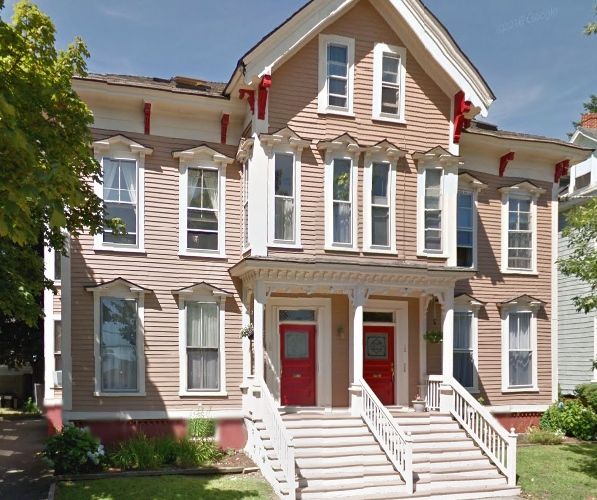
Throughout the growth and success of his enterprises, Hynes was having a personal life in Haverhill.  At the age of 40, following a pattern of many Irish to marry late, he wed Ann, a woman five years his junior who was born in Massachusetts of Irish heritage.  There is no indication of children,  With his growing wealth Hynes was able to move Ann into a large home at 10 Park Street.  Built in 1900, the house is shown here as it looks today.  It was spacious enough that the Hynes could accommodate a live-in servant or two.


Records indicate that Hynes’ hobby was breeding and showing dogs — appropriately Irish terriers.  The pedigree listed for his top canine offers a glimpse into just how Irish these dogs could be.  Hynes “Darby,” born in April 1903 was accorded this ancestry:  “By Mulvaney out of Peggy, by Norfolk Spike out of Biddy, by Barney’s Brother out of Biddy Malone.”  That background should have been enough to qualify Darby for the Order of Ancient Hibernians.


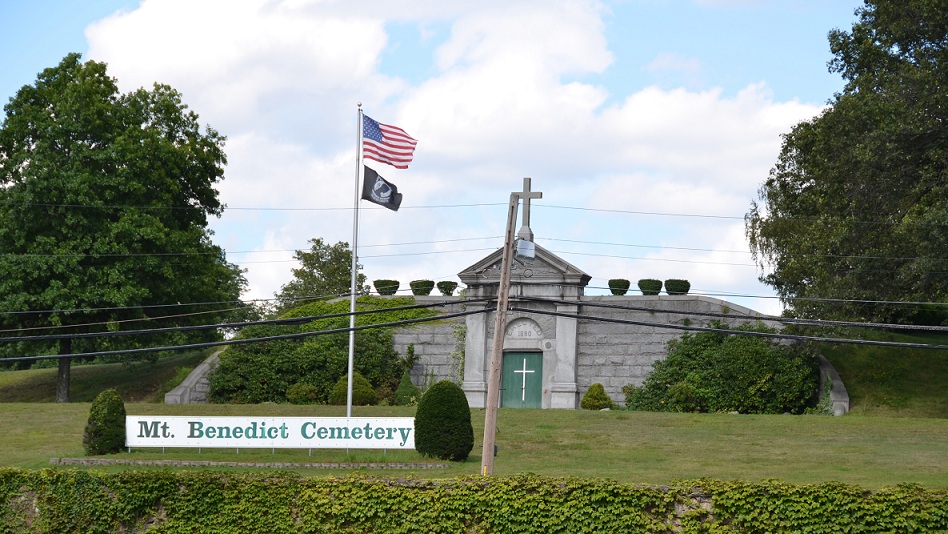
With the coming of National Prohibition in 1920, after 32 years in business, Hynes was forced to close his saloon and liquor sales.  Subsequent listings in Haverhill directories and the census indicate that the whiskey man, just 56 years old, retired.  With him went all the brands of whiskey he had named along with their distinctive labels.  Since none were revived after Repeal, all Hynes artifacts must be considered over 100 years old and “antiques.”  “The Lord of Labels” Edward Hynes died in 1929 and was buried in Mount Benedict Cemetery in West Roxbury.


Notes:  Special thanks to Peter Samuelson of Intervale, New Hampshire, a noted collector of labeled whiskeys, for the picture of the Hynes Old Parish flask, thus providing the inspiration to devote a post to Hynes and his attractive liquor labels.

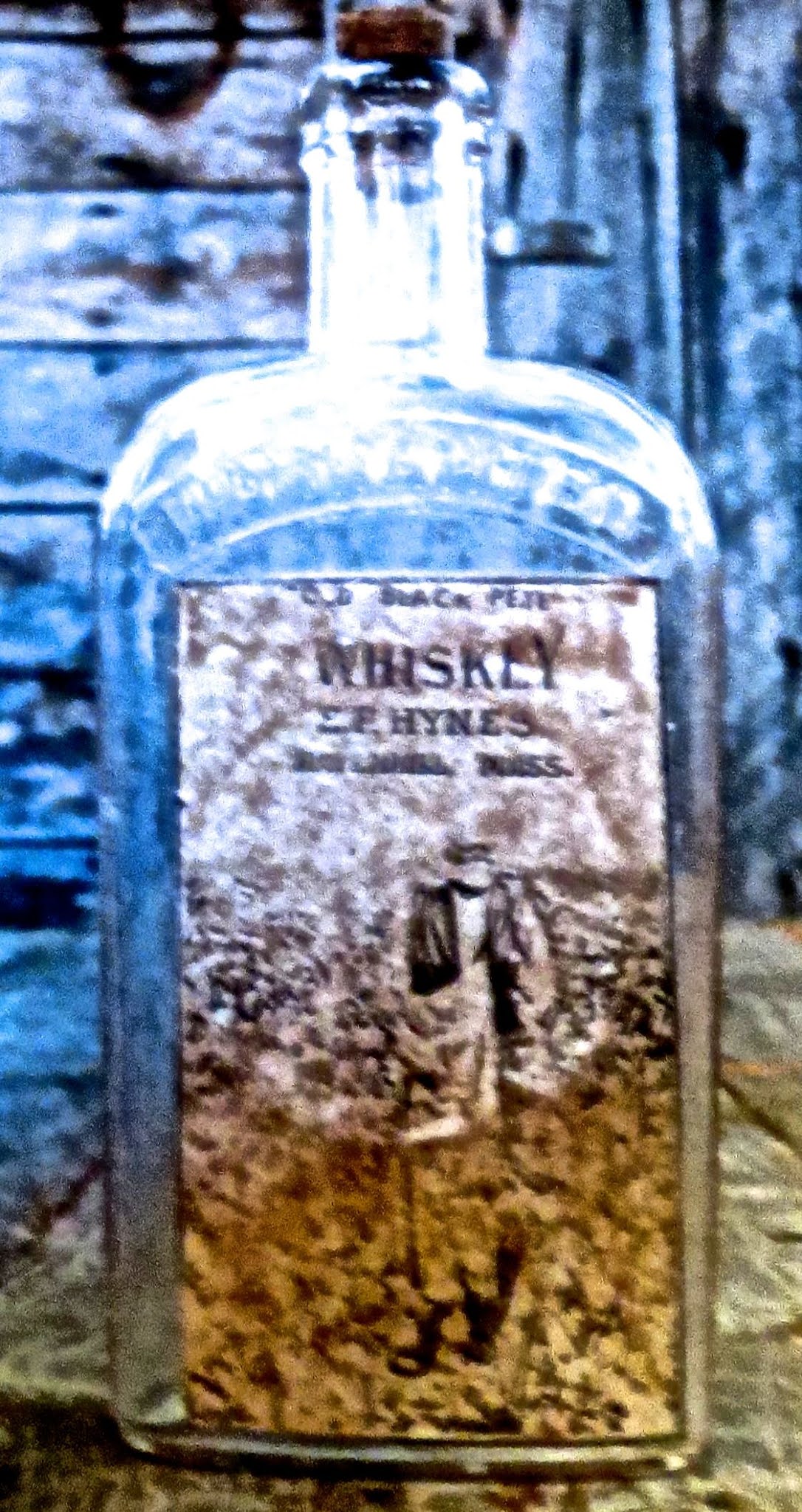
Addendum:  After this vignette had been posted Mr. Samuelson sent me another

photo of a Hynes jug from his collection.  This one advertises“Old Black Pete” Whiskey and shows an elderly African American gentleman standing in a cotton field. It is included here.


This Batman Flew on Louisville Liquor

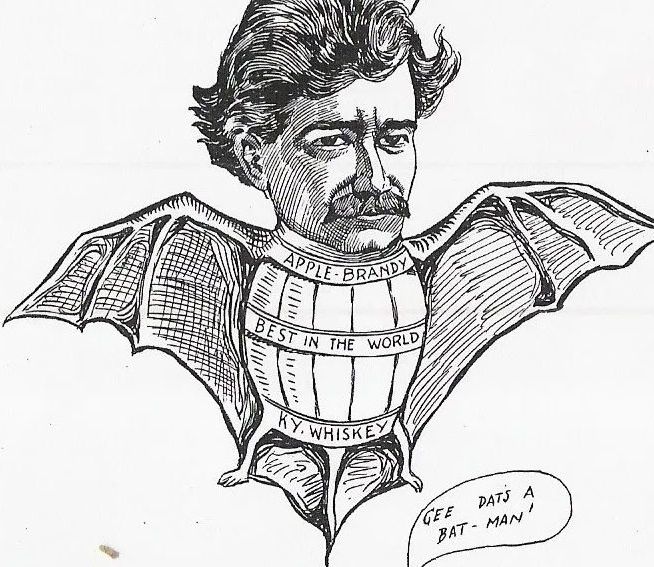
Long before comic book hero Bruce Wayne decided to don the “Caped Crusader” costume to fight crime in Gotham City, a Kentuckian described as being “pulchritudinous in features and magnificent figure” was flying high in Louisville as a crusader for quality liquor.  Shown here in winged caricature is Thomas J. Batman, known to some as “Brandy King of the World.”

Born in Louisville. Kentucky, in February 1853, as Thomas Kirwin, the boy was far from any kingdom at his birth.  His mother, Mary Ann Batman, died within a year, only 22 years old.  His father, Patrick N. Kirwin, an immigrant from Ireland, married again several years later and sired five more children before he died in June 1865 when Thomas was just 12.  Orphaned, the boy then went to live with his maternal uncle, Thomas Batman, who formally adopted him in 1876.  In gratitude, Thomas took his uncle’s surname. 


According to local directories, Stepfather Batman was a printer.  Thomas’s birth father, however, had been employed in a distillery in a city where the whiskey industry was a major economic engine.  The young Batman gravitated toward the liquor trade.  By the age of 23 he had accumulated enough knowledge of the business and sufficient resources to strike out on his own.  With two associates he founded T. J. Batman & Company, Wholesale Whiskeys, located at 37 Fourth Street below Main Street, the latter avenue also known as “Whiskey Row” because of the offices located there of many of America’s leading distillers and liquor wholesalers.


By this time Thomas had married, wedding Elvira Thompkins of Louisville in August 1876.  They would go on to have nine children together over the next 20 years of whom eight lived to maturity.  A photo of the family shown above discloses the middle age couple, with Elvira still an attractive woman, surrounded by a comely group of their children.


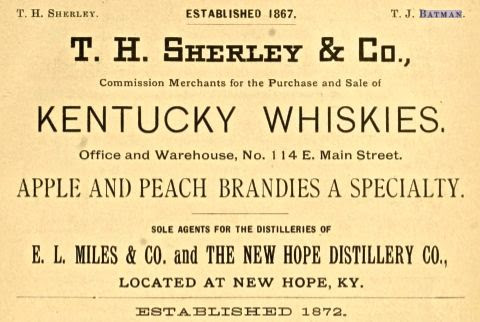
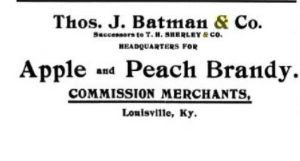
Batman’s initial stab at establishing a liquor business apparently was not a complete success.  By the mid-1880s, he had closed the wholesale house and was working as a partner of T. H. Sherley, an established “Whiskey Row” commission merchant at 125 West Main Street.  The Sherley company specialized in the purchase and sale of Kentucky whiskeys, as well as conducted a brisk business in apple and peach brandies, as indicated by an 1888 advertisement.


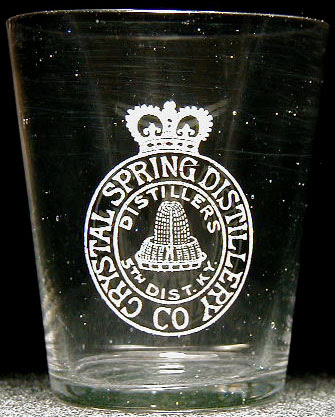
Sherley, formerly an officer in the Union Army, also owned the Crystal Springs Distillery located the corner of First Street and Ormsby Avenue in Louisville.Listed in Federal records as Registered Distillery #3, 5th District, the plant figures in an 1886 photograph uncovered by Michael Veach, whiskey guru of Louisville’s Filson Historical Society.  Shown below the photo displays the assembled employees of the distillery.  Among other elements, Veach pointed out:  1.  The misspelling of “crystal” on the wall.  2. Employees each seeming to hold the tools of their trade, including African-Americans on each side with shovels. 3. The plant mascots were dogs.  To that I would add that every man and boy is wearing a hat, an interesting display of headgear variety.


Veach speculated about the two men standing immediately left of the date on the wall, believing that the man with the full beard is Sherley and to his right with the handlebar mustache is Tom Batman.  While the author says he is “not sure,” my analysis is that Veach has made a correct identification.  After Sherley retired in 1901, Batman bought out his share of his partner’s holdings.  He seems to have sold off the distillery, thereafter concentrating on the brokerage business from his “Whiskey Row” headquarters.


Given the honorific title of “Kentucky colonel” by the state governor apparently for his business prowess, Batman was pictured and extolled in the influential Whiskey & Spirits Bullletin in 1904:  “Our friend, Colonel Thomas J. Batman, has always had the apple brandy market of the country in his grasp, so much so, on numerous occasions, he has been dubbed ‘The Brandy King,’ but lately he has been spreading out.  He is now posing as one of the heavy whisky brokers of the trade and has been instrumental in engineering some very important whisky deals.  The colonel says brokerage business in the whiskey line reaches into every part of the country, and is now larger than his brandy business.”   As indicated by the caricature that opens this post, Thomas J.’s visage was a familiar one in whiskey circles.


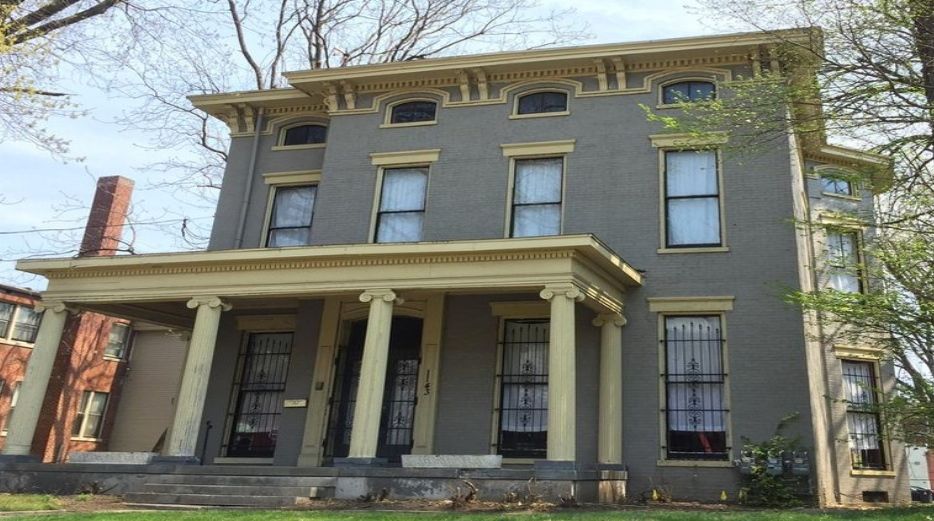
With his growing prosperity, Batman was able to move his large family into an imposing house at 1143 South First Street, shown here.   Still standing in Louisville, the large dwelling is distinctive for its six Ionic columns flanking the front porch.  But sorrow was destined to visit the Batman home.  After 35 years of marriage, Elvira died in June, 1910 at the age of 56.  She was buried in the family plot in St. Louis Cemetery with her grieving spouse and children gathered around.  All of them except the youngest, daughter, Kirwin, 14, had reached their majority.


Not quite four years later, in February 1914, Thomas Batman remarried.  His bride was Libbie Kirwan, born in Louisville in 1868 and 15 years younger than her husband.  From her maiden name we can surmise that Libbie likely was a cousin.  The couple were married in a quiet ceremony in St. Francis Roman Catholic Church by Father Thomas White.  According to a press account, immediately after their marriage the couple left for a trip to the East Coast.


As his children grew to maturity Batman began to take them into his business.  Thomas J. Jr., was the first, prompting his father by 1912 to change the company name to ”T. J. Batman & Son.”  Later Batman created a new business involving Junior and A. S. Batman, likely Anna Batman, his eldest daughter.  It was called the Frishe Distilling Company, an enterprise on which little information exists.


In time becoming an elder statesman of the Kentucky liquor industry, Batman must have experienced with concern the growing clamor for National Prohibition as state after state and locality after locality went dry under the relentless pressure of the Prohibition lobby.  It would appear that he continued to do business from his offices in the downtown Tyler Building until 1920.  After that Batman fades from Louisville’s business scene and its city directories. 


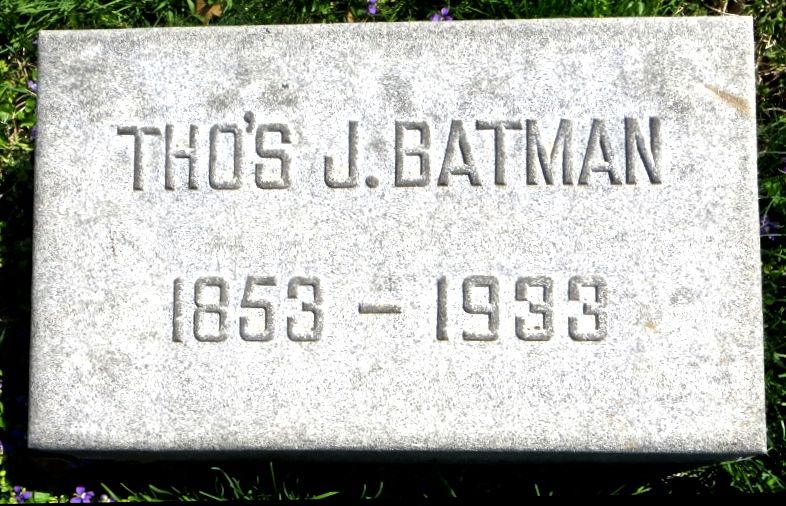
In retirement Batman lived long enough to see prohibitionary fervor wane and the impending revival of the liquor industry.  As he aged, he had suffered multiple heath problems, diagnosed as heart disease and hepatitis.  In early 1933 Thomas Batman, while under a doctor’s care, continued to decline and died at home on March 29, 1933, at the age of 80. He was buried at St. Francis Cemetery next to Elvira. 


Note:  This post was drawn from a wide range of sources, from which two stand out: The Whiskey and Spirits Bulletin that regularly featured Batman in its articles and Michael Veatch’s “Images of the Past,” an online article that featured the photo of the Crystal Springs distillery staff.


Goldberg, Bowen Co.: From Ashes to “World Reach”


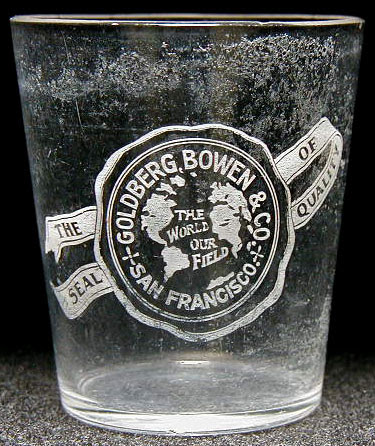
The sign left is brim full of confidence.  Goldberg, Bowen & Company  in 1915 were proclaiming the specialty grocery and liquor firm  a “Master Grocer” with a “The World Our Field.”  The claim was backed up by illustrations of goods delivered by ship and rail from all over the globe.  Many San Franciscans, however, could remember when Goldberg, Bowen posted a quite different sign on the burned-out shell of its headquarters.  During the early years of this business few would have predicted its ultimate success and longevity.


The company originated about 1881 with the merger of two established San Francisco firms. Bowen Brothers had started as fruit merchants but expanded into speciality groceries.  Nearby, Lebenbaum & Goldberg were operating as liquor, wine and tea merchants.  Consolidation created Goldberg, Bowen & Lebenbaum. The company was listed local business directories as “Importers of Wines and Liquors and Commercial and Retail Grocers.”  As short-lived as this trio was destined to be, it early contracted with a German glass factory for a series of clear bottles topped by a logo, shown here.


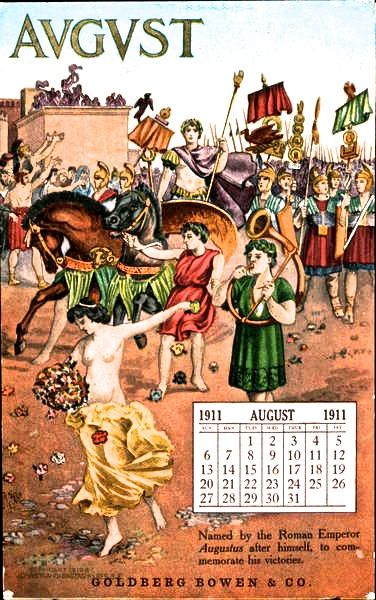
By 1885 Lebenbaum had left the organization, bought out by the Bowens, Charles and Henry.  The new organization was renamed Goldberg, Bowen & Co. Running the enterprise was Jacob Goldberg, an immigrant from Poland, listed in directories as president and general manager.  The company advertised in San Francisco “Blue Book” that their groceries “make food a pleasure worth while….”   A writer for the San Francisco called the two company stores, located at 242-254 Sutter and 426-432  Pine Street “a paradise for the bon vivant.”  A calendar caught the celebratory flavor of the company. 


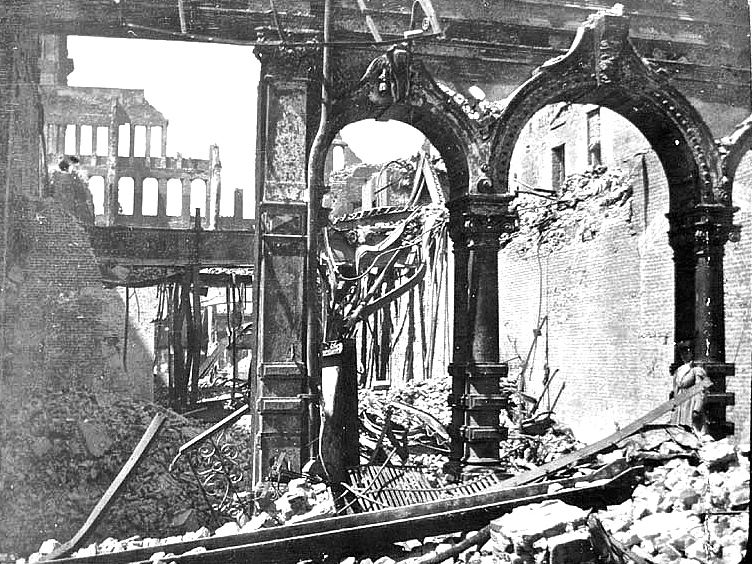
In 1906, this “paradise” became an inferno as the great San Francisco earthquake and fire of 1906 turned Goldberg, Bowen’s Sutter Street headquarters into a burned out shell amidst acres of rubble, as shown below.  The disaster also was reduced to ruins the nearby stables where the partners kept the horses used to pull their wagons and delivery carts.  I can find no information on the fate of the horses, although many in San Francisco are said to have been killed by falling bricks from the earthquake.


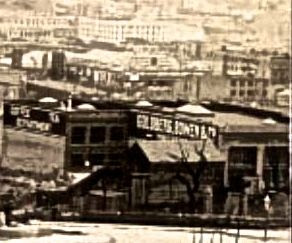
The sign visible on the side of the building made clear that despite the blow the disaster had leveled on them, the partners were determined to press on.  It read: “Goldberg, Bowen and Co. Grocers Will Open a Grand New Store, Van Ness & Sutter. Present Location 2829 Cal. St., Cor. Haight & Masonic.”  The second store, apparently untouched by the fire, is shown here, the name in large letters on the side.  


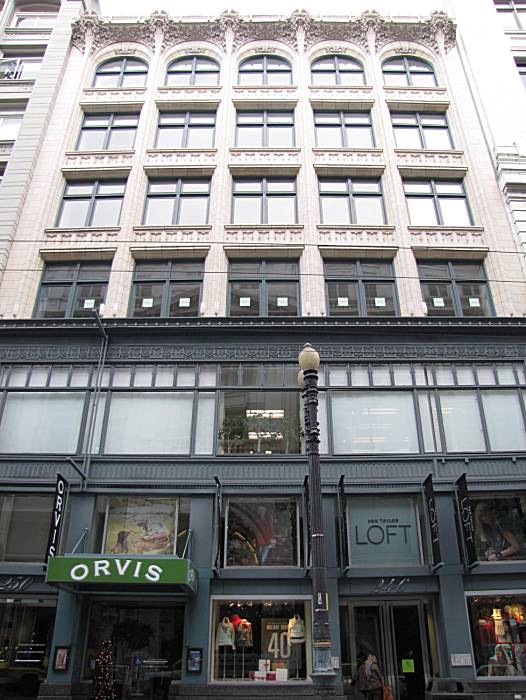
True to their pledge by 1909 Goldberg, Bowen was back in business at the old address, with a building, bigger and better than the one before.  Shown here, it still stands at 242 Sutter.  The company eventually would have four stores, including one in Oakland. Goldberg, Bowen was on its way to “World Reach.”


Goldberg, Bowen offered a full line of whiskeys, featuring imported Scotch brands, well-known American labels like “Old Crow” and an impressive number of proprietary “signature” brands.  The partners were careful to register trademarks for most of their labels after the U.S. Congress progressively tightened the laws against brand infringement.  Their whiskeys with dates of their registration were “Bull Dog Rye” (1906), “Old William Penn Malt” (1906), ”Early & Often Whiskey” (1908), “Pride of the Golden State” (1913),” Imperial Whiskey (1914), “Old Mellow Rye” (1914), and “Traveler Club(1915).”


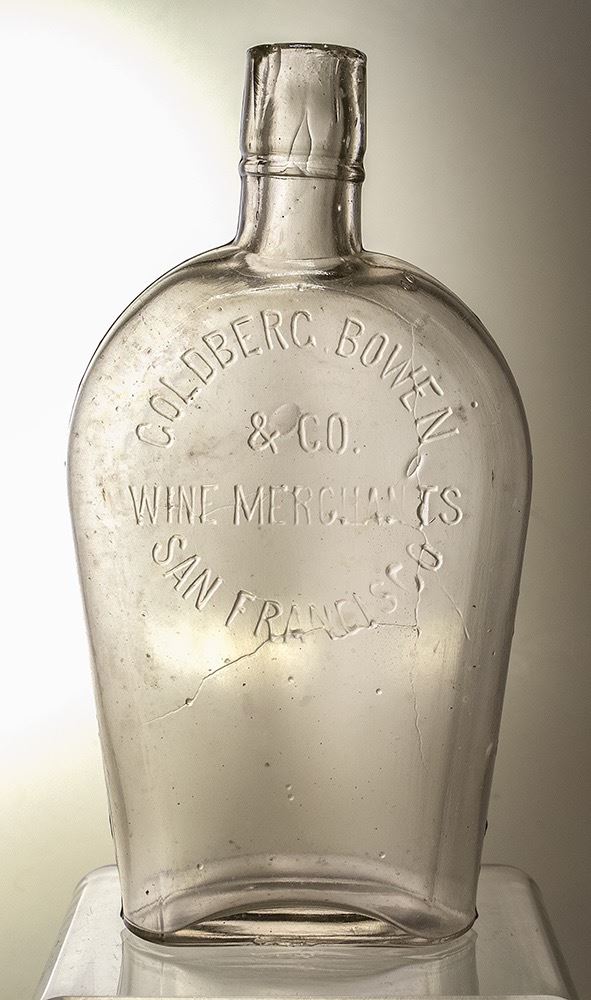
Goldberg, Bowen were not distillers.  They were buying raw whiskey from distilleries elsewhere in America and shipping it into their headquarters.  There they employed “rectifiers” who blended the products to achieve a particular taste, smoothness and color.  The multitude of brands meant that their crew of blenders was highly skilled.  The company apparently was not particular about the quality of bottles used.  Shown here right is a clear flask, possibly a pint, that displays poorly blown glass.  An amber quart is more presentable.  The small bottle below was called a “Quiet Smile” flask; three of them filled with whiskey sold for 50 cents.


The profitability of the business was indicated in 1905 when Jacob Goldberg moved his wife, Kate, born in New York of Polish immigrants, and their five children, Sol, Harry, Cherney, Renne, and Zelda, into one of San Francisco’s most notable frame mansions at 1782 Pacific Avenue.  Built in 1876, the house from the street appears to be two stories but because of the slope on which it was built, is three stories at the rear.  Purchased by the Goldbergs in 1905, Jacob added a new wing, replaced the carriage house with a larger one, and remodeled the interior.  Undamaged by the 1906 earthquake and fire, it was owned by the family until 1936.  Today it is a San Francisco landmark.  


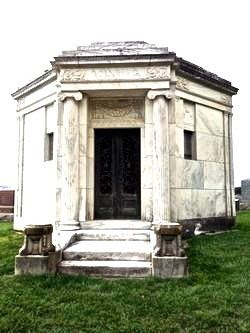
Jacob Goldberg lived just long enough to see National Prohibition imposed on the United States, dying in 1920 at the age of 76 or 77.  He was buried in the family mausoleum in Cypress Lawn Memorial Park (Section F, lot 555) in Colma, California, just outside San Francisco.  Other family members over time would join him there.  Because of its trade in a variety of speciality groceries, Goldberg, Bowen successfully continued in business despite the loss of its liquor sales.  With Repeal the company again sold alcoholic products.  It shows up in San Francisco directories at least until 1974.  Having survived the San Francisco earthquake and fire, National Prohibition was just another bump in the road to “World Reach.”


Note:  This post was drawn from a variety of sources.  Among them was the blog western whiskey.com and its post of December 1, 2009.


Scroll to Top